
Interview with Dave Veronesi
As Skin Artists Tattoo Magazine commemorates its
eighteen anniversary, the focus remains on the elite creators who
are pushing the technical and conceptual boundaries of the craft. To
mark nearly two decades of documenting the world’s most significant
skin art, Dave Veronesi has been chosen as a top-tier artist
representing the current standard of excellence in the industry.
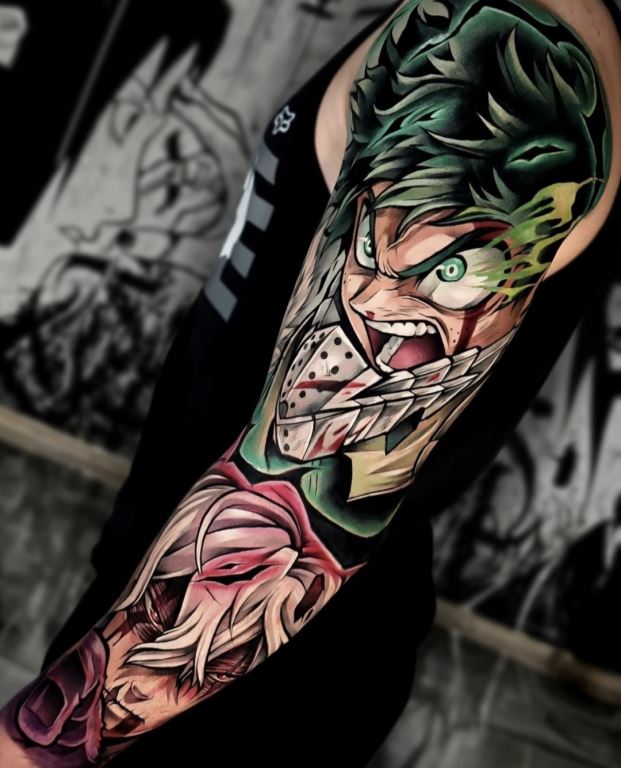
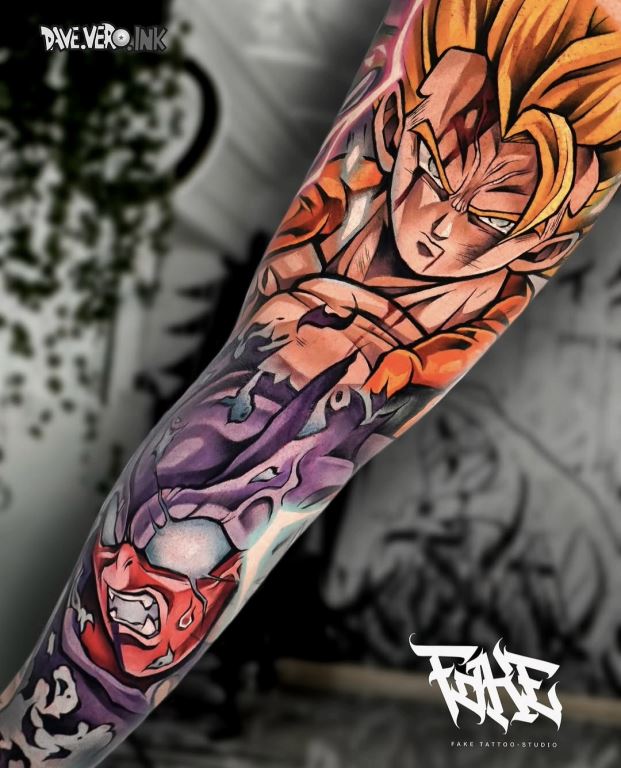
Dave is recognized globally for his mastery of specialized
anime-style tattooing. His work sits at the intersection of
hyper-technical precision and narrative depth, characterized by
large-scale compositions that achieve a rare level of color
saturation and anatomical flow. His ability to translate complex
illustrative themes into permanent, high-impact body art has made
him an essential influence in the international community.
The conversation focuses on the future of tattooing, the evolution
of specialized styles, and the shifting landscape of the industry as
the magazine enters its next chapter.
Q: The tattoo industry is an intensely competitive and
demanding landscape. Moving forward, which types of artists are most
likely to find it difficult to maintain their professional standing?
A: Artists who rely purely on trends without building a strong
foundation will struggle the most. The industry is moving fast, and
visibility alone doesn’t sustain a career long-term. Those who lack
technical consistency, discipline, and a clear artistic identity
will have difficulty maintaining relevance once the hype fades.
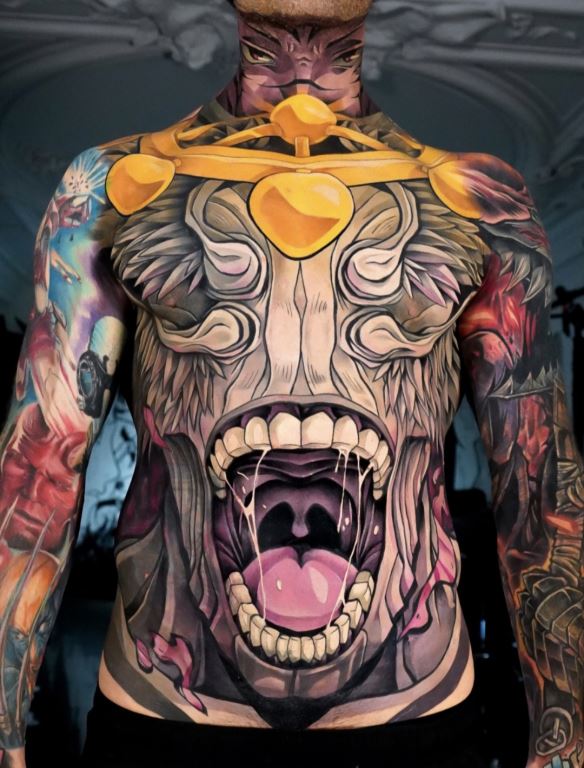
Q: Do you think tattooing today is more
about art or about visibility?
A: Right now, visibility often outweighs art but only short-term.
Visibility gets you attention, but art keeps you booked. The
strongest position is when both align. If you rely only on
visibility, you become replaceable.
Q: How do you envision the evolution of the global tattoo
scene, particularly regarding the potential for universal shop
safety regulations and the transformation of international
conventions into more immersive, tech-driven experiences?
A: I think we’ll see stricter global safety standards over time,
especially in Europe. Conventions will evolve into more immersive
experiences, combining tattooing with digital elements, live
content, maybe even interactive design. But the core will still be
human connection and craftsmanship.
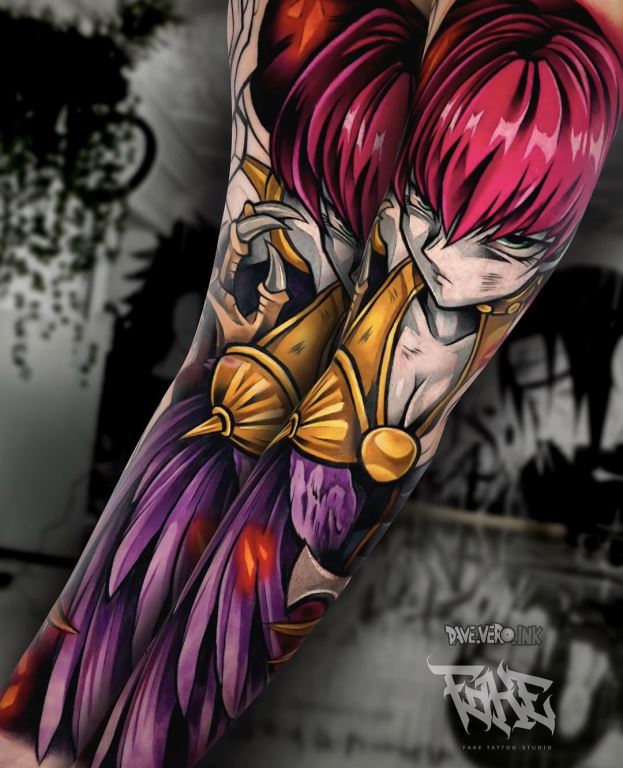
Q: Do you think accessibility is lowering
the standard or expanding creativity? Will technical skill alone be
enough to stay relevant?
A: Accessibility is expanding creativity, but it’s also lowering the
average technical standard. Skill alone won’t be enough anymore, you
need identity, consistency, and the ability to build trust with
clients.
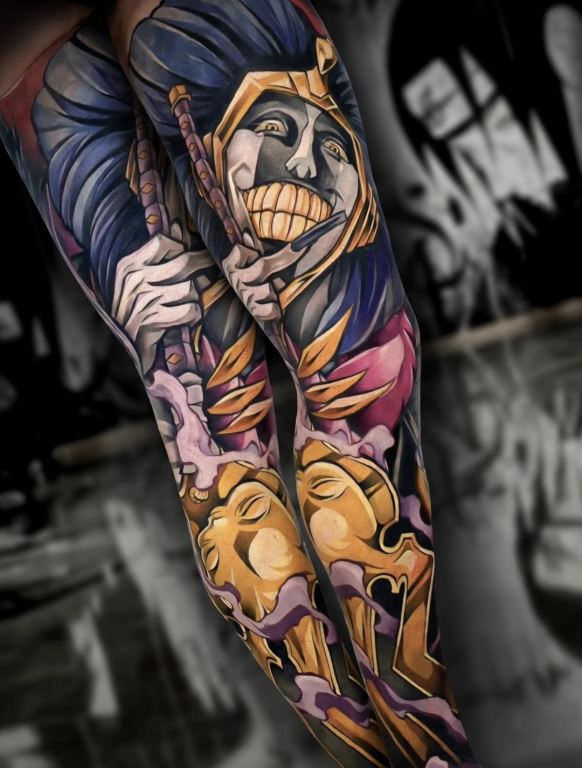
Q: How does the concept of exclusivity
influence the current landscape of the tattoo world?
A: Exclusivity has become a form of positioning. It creates demand,
but if it’s not backed by real quality, it collapses quickly. True
exclusivity comes from mastery and consistency, not artificial
scarcity.
Q: What shifts do you anticipate in client preferences for
anime-inspired pieces? Do you foresee a trend toward more intricate,
narrative-driven designs that weave in profound personal
significance?
A: Clients are already shifting toward more personal, story-driven
pieces. Especially in anime, people want something that represents
them, not just the character. I see a strong move toward larger,
more narrative compositions.
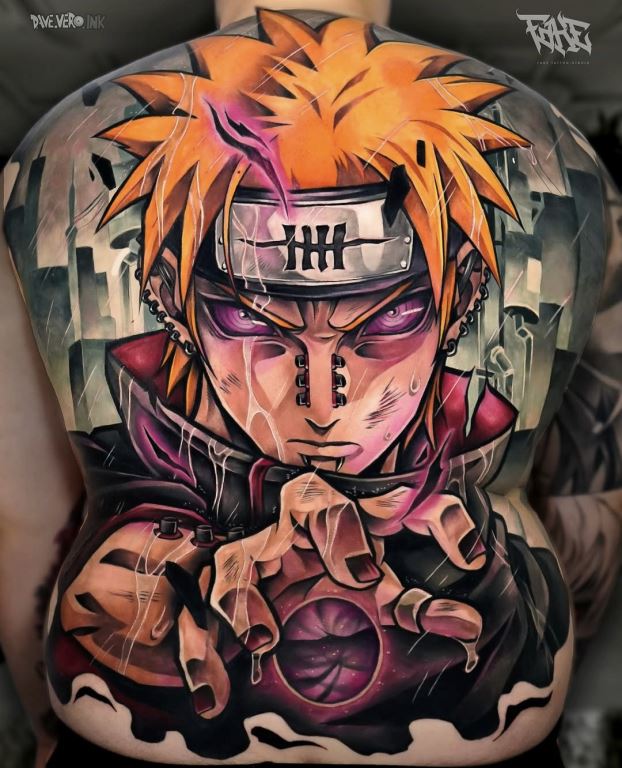
Q: How can artists safeguard their unique
artistic voice within a style that is perpetually cited and
distributed? Furthermore, do you believe the tattoo world should
eventually adopt some form of copyright protection?
A: The only real protection is developing a recognizable style and
execution level that can’t easily be replicated. Copyright in
tattooing is complicated, I think awareness and respect will matter
more than legal structures.
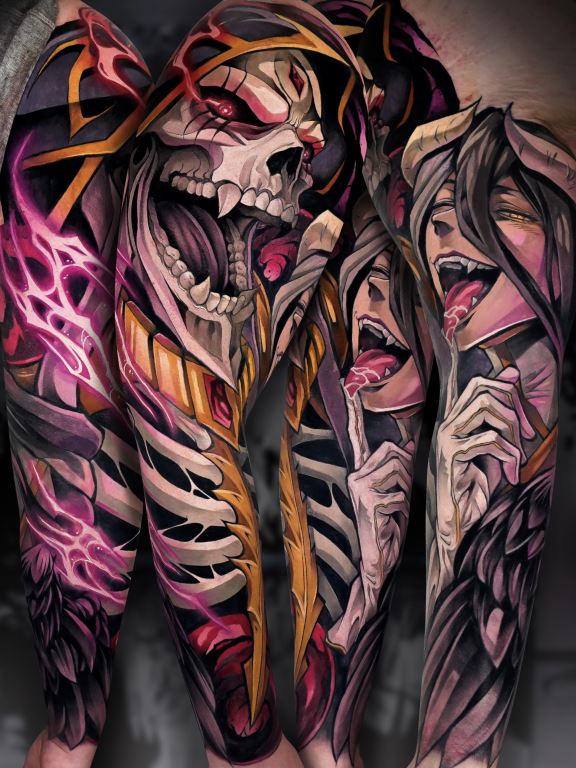
Q: What is one belief about tattooing you
hold that others might disagree with?
A: Not every tattoo needs to be meaningful. Sometimes aesthetic
value alone is enough and that’s valid.
Q: We are already seeing cyber-sigilism collide with mecha,
irezumi flow into Ghibli softness, and shonen heroes rendered with
realism-level precision. What bold cultural fusions do you predict
will define the next decade of anime-style tattooing, and which ones
do you refuse to touch?
A: We’ll see more fusion between anime and fine art realism, as well
as abstract and symbolic elements. I personally avoid mixing too
many conflicting styles if it compromises readability and longevity.
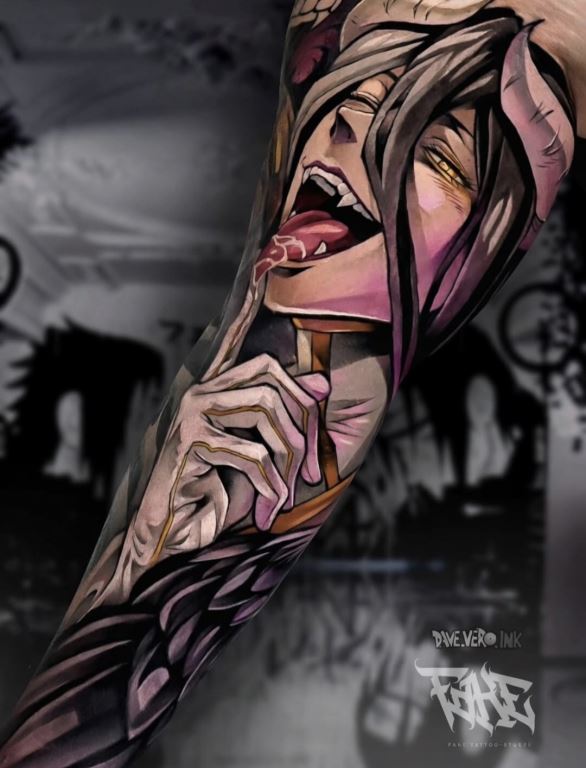
Q: In your opinion, how will advancements
in ink color, healing, and longevity specifically benefit
anime-style tattoos, which often rely on vibrant, detailed palettes?
A: Advancements in ink and healing will massively benefit anime
tattoos. Better pigment stability and healing consistency will allow
for stronger saturation, cleaner blends, and longer-lasting contrast
which is critical for this style.
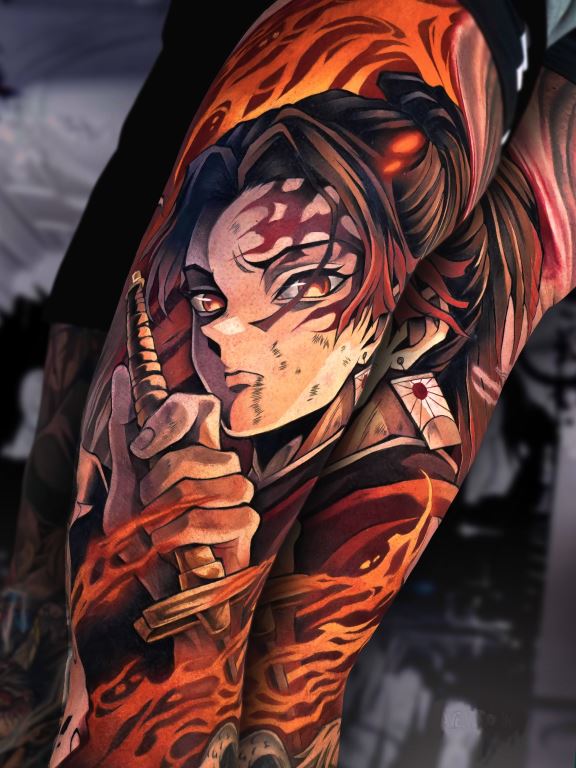
Q: Technology once threatened to make the
hand-crafted tattoo obsolete. Now it offers AI that can generate
infinite designs in seconds. Will the visionary artist of 2035
surrender the sacred tremor of the human hand to the machine, or
force the algorithm to kneel before it?
A: The artist won’t disappear but the role will evolve. AI will
become a tool, not a replacement. The value will shift even more
toward interpretation, execution, and decision-making.
Q: Do you believe there are current practices or traditions
within tattooing that are valuable enough to preserve, or does the
industry's evolution require a total transformation of the craft?
A: Fundamentals should always be preserved, things like
understanding skin, flow, and composition. Everything else can
evolve.
Q: Young artists flooding into anime style are inheriting
both its global popularity and its deepest technical challenges.
What single piece of ruthless advice would you give them if they
want to become true visionaries rather than just skilled copyists?
A: Stop copying and start failing faster. Your own style comes from
mistakes, not from perfect replication.
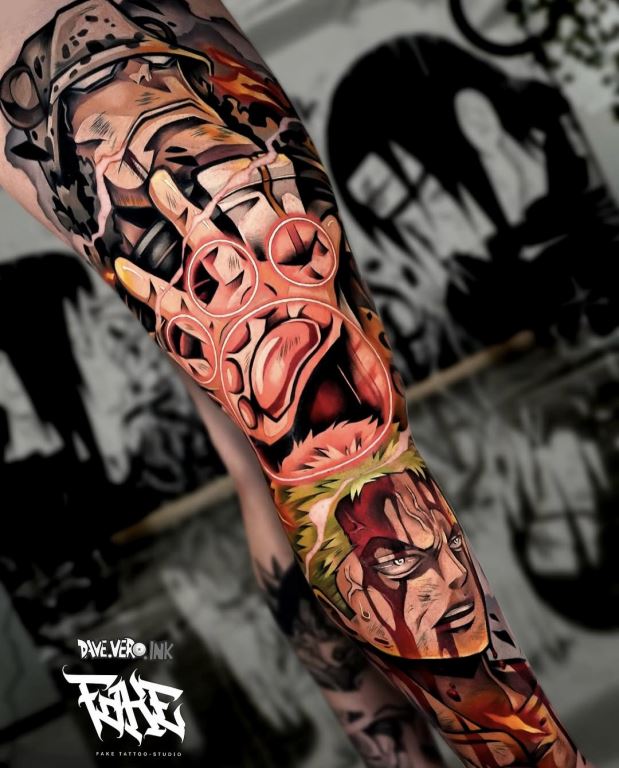
Q: In a world where tattoos can already
shift color with mood or UV light and may soon monitor your health
or dissolve on command, do you believe the core power of a tattoo
still lies in its permanence or has its true rebellion become the
ability to evolve and disappear?
A: For me, the power of tattooing still lies in permanence. That’s
what makes it meaningful. If everything becomes temporary, it
changes the emotional weight completely.
Q: Anime has always refused to stay still exaggerated
emotion, impossible physics, worlds that breathe. How will
anime-style tattooing lead the charge in turning static ink into
kinetic portals that ripple, follow the eye, or seem alive under new
pigment and micro-shading technologies?
A: Anime tattoos already create movement through composition and
contrast. With better pigments and techniques, we’ll push depth,
illusion, and flow even further but it will still rely on strong
fundamentals.
Q: Sustainability is no longer optional.
Vegan inks, carbon-negative studios, and biodegradable pigments are
arriving. Do you see the future tattooist as an environmental shaman
who treats the body as an ecosystem, or will “green” tattooing
become just another marketing label that dilutes the art’s raw edge?
A: Sustainability will grow, but it risks becoming a marketing trend
if not handled authentically. The responsibility is real but it
shouldn’t dilute the artistic core.
Q: In a world where tattoos are shifting from permanent
marks to potentially evolving, reactive, or even reversible
experiences, what does “commitment” mean to you as an anime-style
tattoo artist?
A: Commitment still means trust in the artist, the process, and the
result. That doesn’t change, even if the medium evolves.
Q: Client expectations for anime tattoos
are shifting from “screen-accurate” to something deeper. What new
demands do you anticipate, larger scale, dynamic placement, or even
tattoos that change meaning as the wearer’s life evolves and how
will you meet them without losing the soul of the style?
A: Clients will demand bigger, more complex, and more personal
pieces. The challenge is to meet that without overcomplicating
designs. Readability will always be key.
Q: Anime has always captured exaggerated emotion, impossible
worlds, and fleeting moments frozen in time. How do you see your
anime tattoos serving as personal prophecies for clients in the
coming decade?
A: Anime tattoos can act as emotional anchors. They reflect a
moment, a mindset, or a personal struggle. In that sense, they
already function like personal prophecies.
Q: The ink of tomorrow will remember, react, and rebel. What
excites you most about being one of the artists who gets to write
that next chapter line by living, breathing line?
A: What excites me most is that tattooing is still evolving. We’re
not at the peak, we’re in the middle of it. Being part of shaping
that future is what drives me.


