
Interview with Kieran Wentyca Pronost
Hello Kieran, it's great to have you! Can
you tell us about the foundational experiences or influences that
shaped your artistic development? And where does self-teaching fit
into your story? I’m entirely self-taught. I’ve always been
drawn to drawing, but I never followed a formal education. I learned
by observing, experimenting, making mistakes, and starting over.
What really shaped me was the freedom to explore at my own pace,
without imposed structure. Early on, I felt the urge to create on my
own to the point of building my first tattoo machine just to get
started. That hands-on approach taught me to understand both the
tool and the motion. For me, being self-taught is what allowed me to
develop a personal eye and an intuitive approach to tattooing.
Q: Beyond simply choosing an artistic career, what
specifically drew you to tattooing? And what were your first
impressions or challenges when you picked up a machine for the first
time?
A: Tattooing has always fascinated me, the permanence, the
connection to the body, the intensity of every piece. It’s a living
art form. What pushed me to dive in was the idea of creating
something truly unique that would follow someone for life. The first
time I held a real machine, it was both thrilling and intimidating.
You instantly feel like there’s no room for error. Sure, there’s
technique to master, but also the stress of working on real skin.
It’s a leap into the unknown and that’s exactly what made me want to
go further.
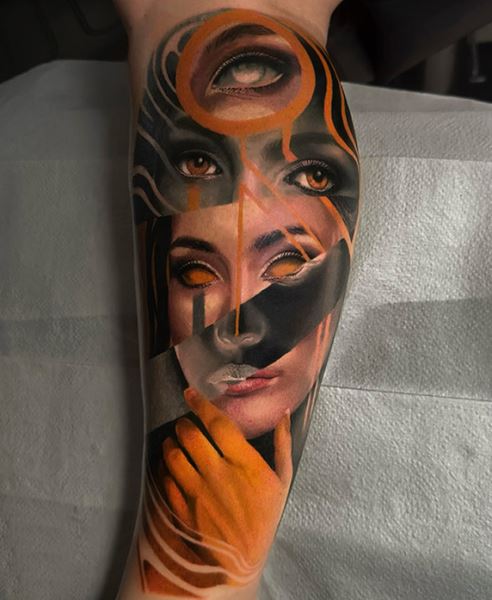
Q: When you first started tattooing, what
styles or subjects did you naturally gravitate toward? And how did
the journey unfold from those first pieces to feeling confident and
building a loyal clientele?
A: In the beginning, I explored a bit of everything. I didn’t want
to limit myself, I did lettering, old school, blackwork… I was in
full learning mode. Each style brought something different,
especially from a technical standpoint. Over time, I started leaning
more toward realism and surrealism, because that’s where I felt the
most freedom artistically. Gaining confidence didn’t happen
overnight. It came from client feedback, successful pieces, and a
schedule that started filling up. Bit by bit, I built a solid base
of clients who trust my vision and my style.
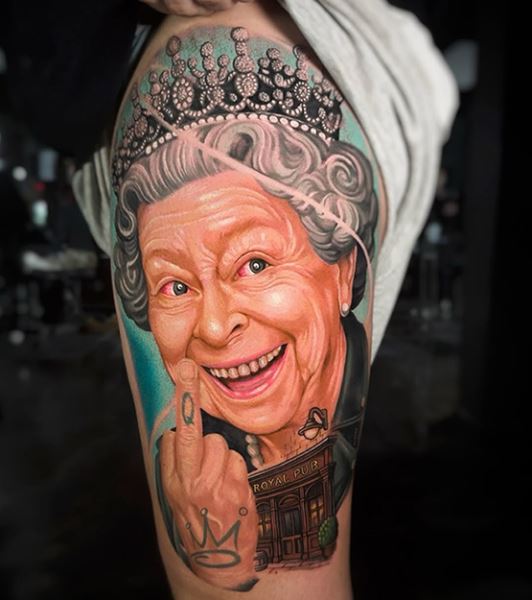
Q: Your work is a striking fusion where
classic realism dances with surrealism. Rather than simply defining
your style, can you describe the journey that led to this unique
meeting of two worlds? What kind of experience do you aim to evoke
when these elements collide on the skin?
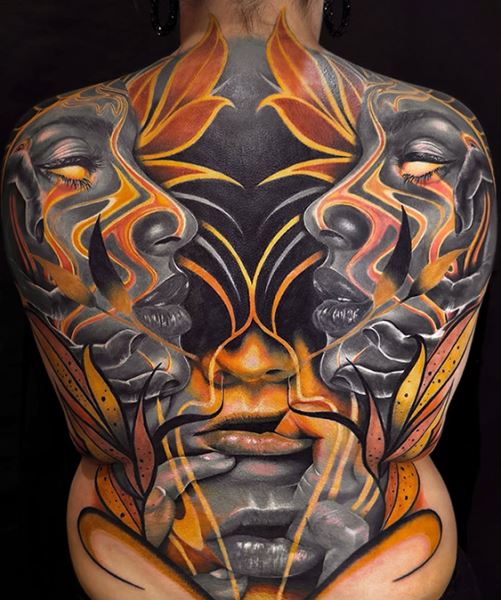
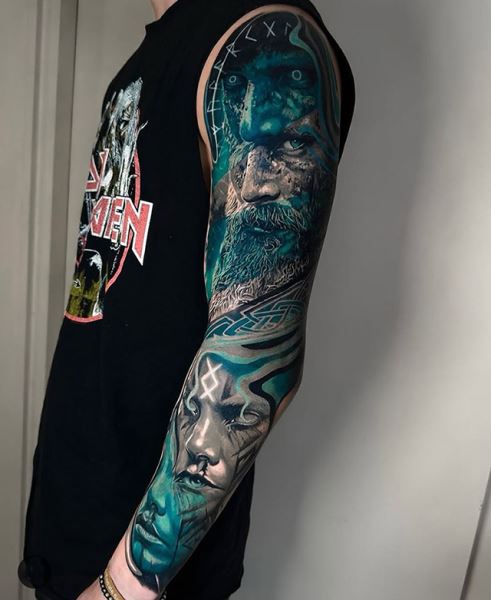
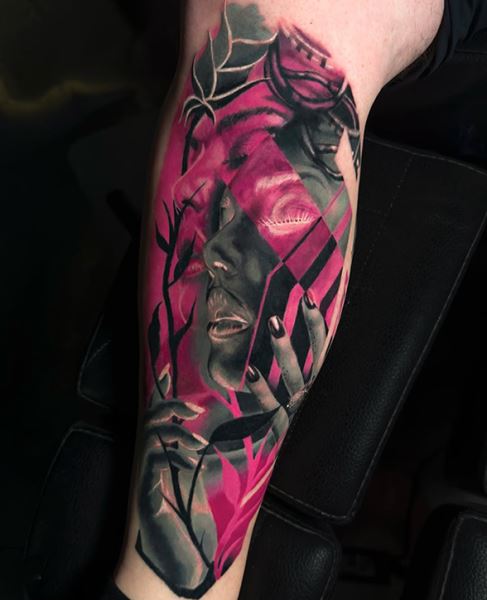
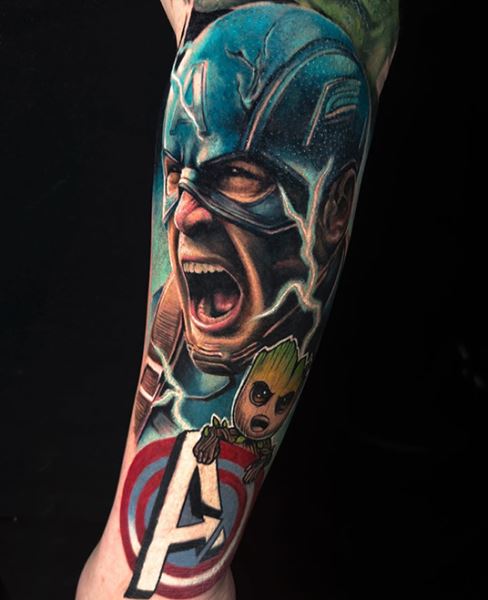
A: That mix came naturally over time. I’ve always been fascinated by
the details of reality, but also by what’s strange, unsettling, or
unexpected. Realism allows me to ground my pieces in something
concrete, while surrealism opens the door to deeper, more emotional
imagery. I like when a tattoo or design evokes a feeling, but not in
an obvious way. I want the person wearing it and those viewing it to
get a little lost in it, to find multiple layers of interpretation.
When these two worlds come together, something alive and intriguing
happens.
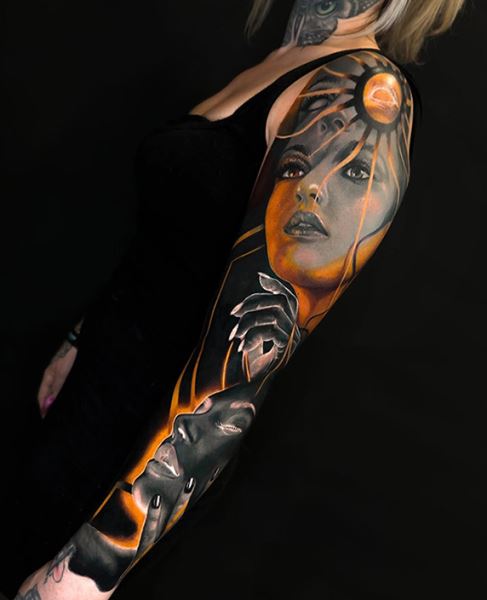
Q: You seamlessly blend both color and
black-and-grey in your work. In your view, how crucial is it to
deeply understand ink properties and how they interact with skin to
ensure the tattoo holds its strength and beauty over time?
A: It’s absolutely essential. Color and black and grey behave
completely differently on skin. Every ink has its own density and
brightness, and each person’s skin reacts in its own way-its
texture, tone, everything. If you don’t master that, the tattoo can
quickly lose its impact, especially over time. I take the time to
study each client’s skin, choose my tones carefully, and plan how
the piece will age. The goal is for the tattoo to stay clear,
balanced, and strong even years later.
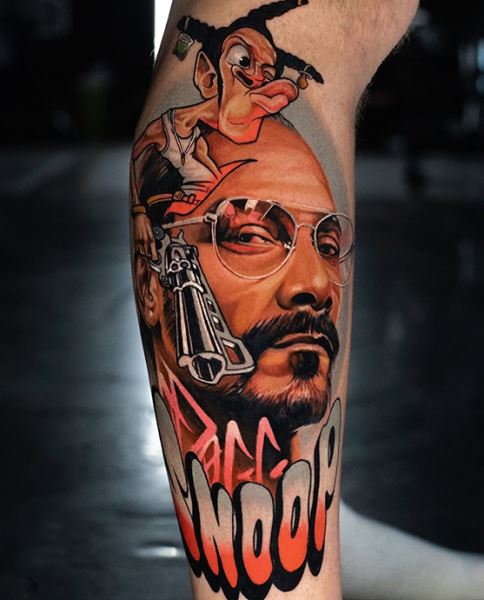
Q: Can you walk us through the process of
creating a complex tattoo piece?
A: Everything starts with a conversation with the client. I listen
to what they have in mind, even if it’s vague or symbolic. Then I
let the idea sit. I never dive straight in, I always give myself a
few days. Some ideas just appear in my head based on the emotion or
direction we’re aiming for. Once the concept is clear, I create a
digital design, piece together elements, and play with contrast
until it feels right. Sometimes I leave the design aside for a
couple of days and come back to it with fresh ideas. That process
can take several days, but it’s essential to creating a tattoo
that’s meaningful and powerful.
Q: How do you balance the client’s vision
with your own artistic identity? Have there been moments when you
had to say no because the creative direction clashed with your core
values?
A: It’s all about balance. I stay true to how I create. I prefer to
guide rather than just execute. If a project moves too far from my
universe or clashes with what I consider a solid composition, I
won’t hesitate to say no, always respectfully and with clear
explanations. My goal isn’t just to tattoo, it’s to create something
that makes sense. When the collaboration works, it leads to strong,
one of a kind pieces that reflect both the client and me.
Q: How do you strike a balance between
building a unique artistic identity and remaining versatile enough
to attract a broader range of clients?
A: In the beginning, I tattooed everything, to learn and adapt. But
today, I believe that developing a strong artistic signature is what
truly sets you apart. That said, I stay open. If a project falls
outside my usual style but offers a creative challenge or emotional
depth, I’m interested. The sweet spot is staying recognizable while
also being open to evolution. It’s about staying true to your world
without shutting out others.
Q: Do you keep a sketch library or
collection of design ideas that clients can browse?
A: I don’t really have a sketch library, maybe just a few pieces. I
mostly work on a custom basis. Each project is designed specifically
for the client.
Q: Can you recall a tattoo project that initially felt bold
or difficult, but turned out to be a rewarding experience? What made
that piece so memorable?
A: Yes a client once asked for a piece filled with personal symbols,
in a style that blended realism and old architecture. On paper, it
was a real challenge. But I could tell he fully trusted me. I took
the time to think about the composition, to harmonize all the
elements, and the result went way beyond what we expected. It became
a strong piece, technically and emotionally. Projects like that
remind you why you do this job.
Q: Can you share a few standout stories or moments you’ve
had with clients?
A: There have been many, but what always stays with me is the trust
people give me. Some come to mark a loss, others to celebrate
something important. That human connection, sometimes silent is one
of the most beautiful parts of this work.
Q: Are there any artists whose work you
admire and with whom you’d like to collaborate?
A: Yes, I admire many artists, especially those with a strong visual
identity and high-level technique. I’d love to collaborate with
tattooers from completely different worlds-graphic, traditional
Japanese, etc. Mixing styles can lead to amazing results. For me, a
successful collab is when each artist keeps their signature, but
together they create something cohesive and powerful.
Q: What unexplored areas or unexpected artistic crossovers
in tattooing are you most excited to dive into?
A: I’d love to explore narrative compositions even further, tattoos
that tell a story visually, almost like film scenes on skin. I’m
also drawn to visual textures that mimic painting or photography,
while still aging gracefully over time. I have ideas for large-scale
projects too almost immersive works, where several body parts become
a single canvas.
Q: How has support from tattoo brands like
Emalla fueled your artistic ambitions and helped shape your career
goals?
A: It was definitely a turning point. When brands like Emalla or
Xtreme Tattoo Ink support you, it pushes you to aim higher. You feel
like your work is taken seriously, even internationally. It
motivated me to increase my visibility, take part in more
conventions, and share my projects more openly. It’s also a form of
validation that inspires me to invest in better tools and keep
pushing my limits.
Q: How would you describe the current local tattoo scene?
A: The scene in Québec is booming. There’s a real richness in
styles, and more and more artists are standing out with strong,
personal work. You can also feel the public becoming more open,
tattoos are no longer marginal, they’re embraced as a form of
self-expression. Conventions are getting bigger, studios more
professional. It’s a great time to grow, but also to stand out.
You’ve got to keep innovating while staying true to your own
universe.
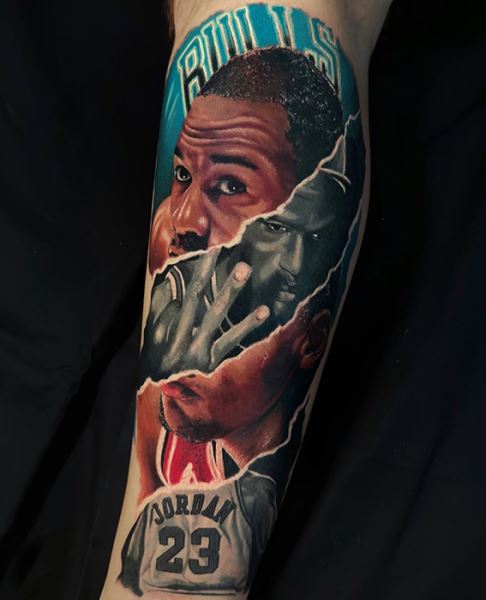
Q: Where can people find you? Are you
currently accepting new projects?
A: I’m currently tattooing at Paradoxe, in Québec. The best way to
view my work or reach me is through Instagram: @kieranwentyca. Yes,
I’m still accepting new projects. Don’t hesitate to message me even
if it’s just a rough idea. I’m always open to discussion.
Q: From your first tattoo to today, how has your passion for
tattooing evolved?
A: At first, it was a technical obsession, learning the machine,
mastering the lines, doing things right. With time, it became
something deeper. Today, what drives me is pushing each piece as far
as it can go. Finding that one detail that takes a tattoo from
“good” to unforgettable. The passion has evolved, yes but it burns
even brighter.
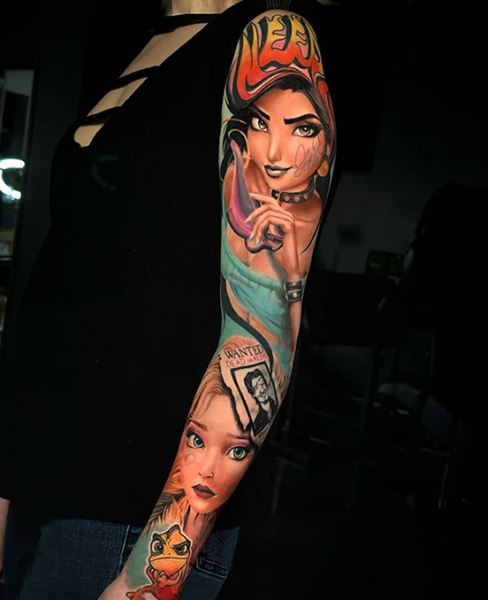
Q: Favorite career highlight so far?
A: There have been several, but I’d say my first tattoo
convention-surrounded by artists I’d been following for years. It
was a mix of stress, pride, and adrenaline. Seeing that my work was
respected in that space had a huge impact. That’s when I truly
realized I found my path.
Q: What’s next for you?
A: Keep strengthening my style and developing it even further.
Q: What advice would you give to someone serious about
pursuing a career in tattooing?
A: Be patient. Learn to observe and to listen. It’s not just art,
it’s a responsibility. You work with people, their bodies, and their
stories. Respect that. And most of all: experiment, but don’t copy.
Find your voice, even if it takes time to emerge. Technique can be
learned. Vision is what makes you an artist not just a tattooer


