
Interview with Konstantinos Christofi
Hello Konstantinos Christofi! Thank you so much for taking the time to do this interview. Please start by telling us something about yourself and your background. Do you have any formal art training or you are a self-taught artist? I’m an artist with a deep passion for creative expression that has shaped my journey in the art world. I was fascinated from my mother’s paintings in the house, since she is an artist too, at my very early ages. My background is a blend of formal education and personal exploration. I initially pursued a degree in Interior Architecture Design and then, I completed a master’s degree in Design and Applied Arts with specialty in multifunctional furniture in tiny spaces, which provided me with foundational skills and exposure to various techniques and mediums. However, much of my artistic development has been self-directed. I've spent countless hours experimenting with different forms of art, learning through trial and error and drawing inspiration from my surroundings and experiences. This combination of formal training and self-study has allowed me to cultivate a unique style that reflects my individuality and perspective. I have always drawn and always wanted to do arts in any form and always looked for ways to make a living through art as a profession. Returning from studies, I had the idea of getting into tattooing, since my friends were asking me for custom designs for tattoo. After several attempts I ultimately found Mavroskoufis Studio in Nicosia, where I was welcomed into the studio and received gradual assistance in getting started. As a beginner I was trying all the styles, never saying no to trying something new, even though I was scared. I made a lot of mistakes trying to adjust them in my way. I have developed my personal brand through consistent social media presence. I opened my own tattoo studio almost 10 years ago. I have started in a small sharing place with a good friend of mine, who designs his own clothes. We shared the vision, after coming back from studies in the UK. After several years together, the time came (for both of us) to expand. Opening my own individual tattoo studio brought new challenges and experiences, but it allowed me to create a welcoming and artistically inspiring environment. Now, I have my own team and teach other artists. Becoming a mentor for aspiring tattoo artists, sharing knowledge and skills to grow in the industry is challenging.
Q: How long did it take you to build
confidence and establish a steady client base?
A: Building my confidence as an artist and establishing a steady
client base has been a gradual process that unfolded over the years.
Initially, like many artists, I faced self-doubt and uncertainty
about my work. It took time, practice and a lot of persistence to
trust my creative instincts. I started with my family and friends
mostly so I appreciate them so much because they trusted me even
before they knew if I was good or not. I made a lot of mistakes on
them and sometimes they come back to fix them. Thankfully, they
still talk to me. Also, I was very lucky because I was playing
football and I was working as a bartender at some cool places, so I
had a lot of people around me that helped me to create a client base
early. After that I started by sharing my art through social media
platforms and participating in local art shows, which helped me gain
visibility and connect with potential clients. It wasn’t an
overnight success, it took a couple of years of consistent effort to
refine my art and begin establishing relationships with clients.
Networking, collaborating with other artists, and seeking out
opportunities have been crucial in this journey. Over time, as I
received positive feedback and built a portfolio of work that
resonated with people, my confidence grew significantly. Today, I
feel grateful to have developed a loyal client base that appreciates
and supports my work.
Q: How much did their support mean to you?
A: The support from these early clients meant the world to me. Their
willingness to invest in my art was a significant affirmation of my
talent and dedication. It motivated me to push through the
challenges and uncertainties that often come with starting an
artistic career. Their enthusiasm for my work encouraged me to keep
evolving and experimenting with my style. I owe a lot to those early
supporters, as they played a crucial role in helping me establish a
foothold in the art community.
Q: What was the most challenging part of
your journey to becoming a tattoo artist?
A: The most challenging part of my journey was initially building up
my technical skills and confidence. When I first started, I
struggled with precision and line work that tattooing requires. I
remember spending hours practicing on paper, then transitioning to
fake skin, and then real skin. Each step had its own set of
challenges. However, what truly tested my perseverance was learning
how to handle the pressure of working on a real skin for the first
time. It was intimidating to know that someone actually trusted me
to create permanent art on their body. I sought guidance from
mentors who helped me refine my techniques, and through constant
practice and self-reflection, I built the confidence I needed. That
experience taught me the importance of patience and humbleness, and
it really solidified my passion for the craft.
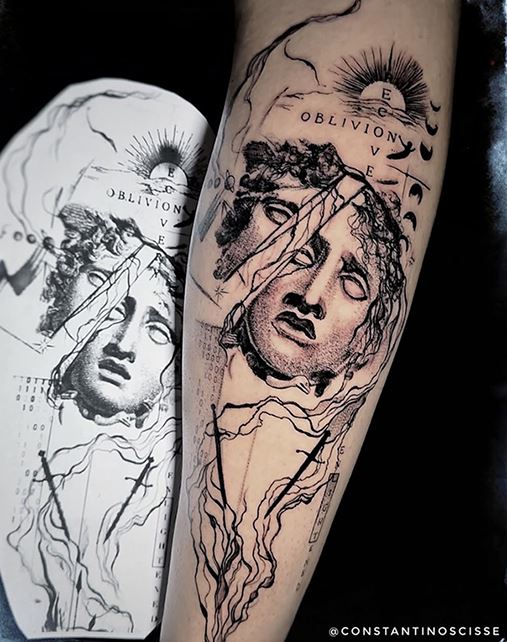
Q: You have a really unique style. Illustrative realism? How
would you define it?
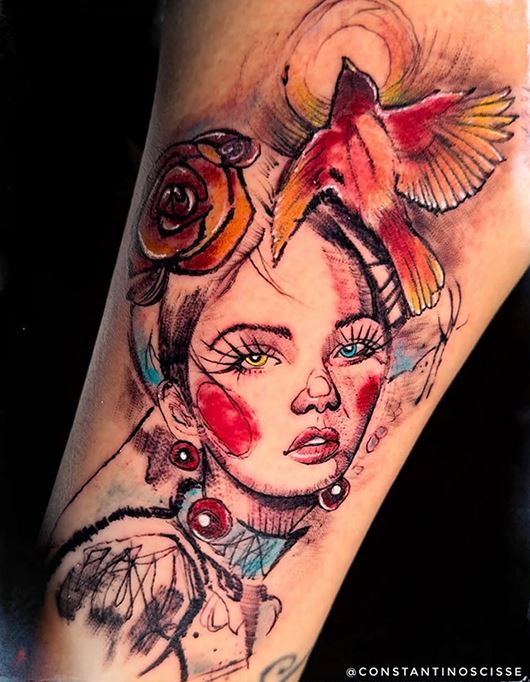
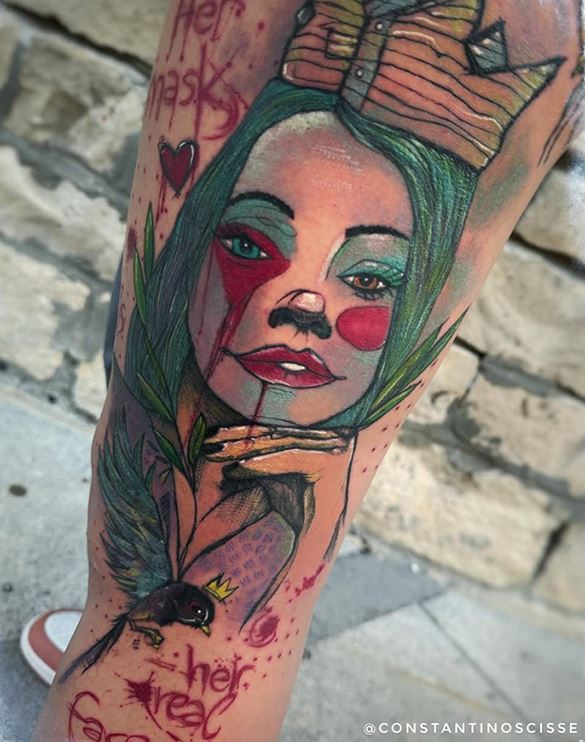
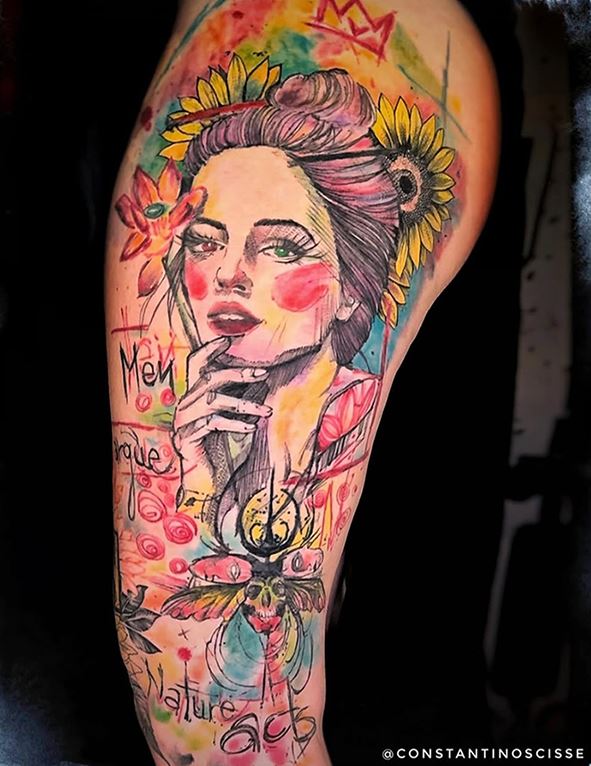
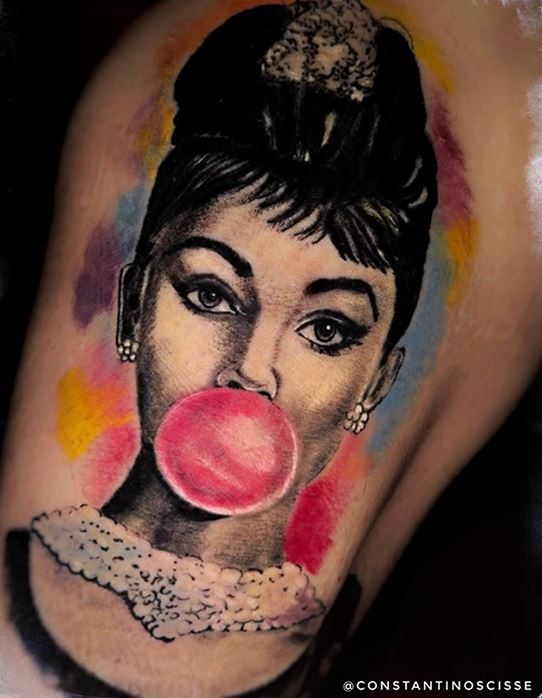
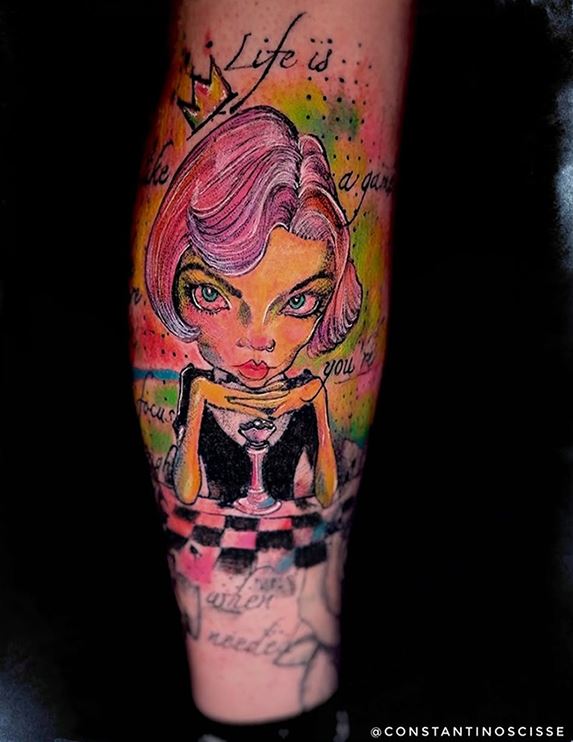
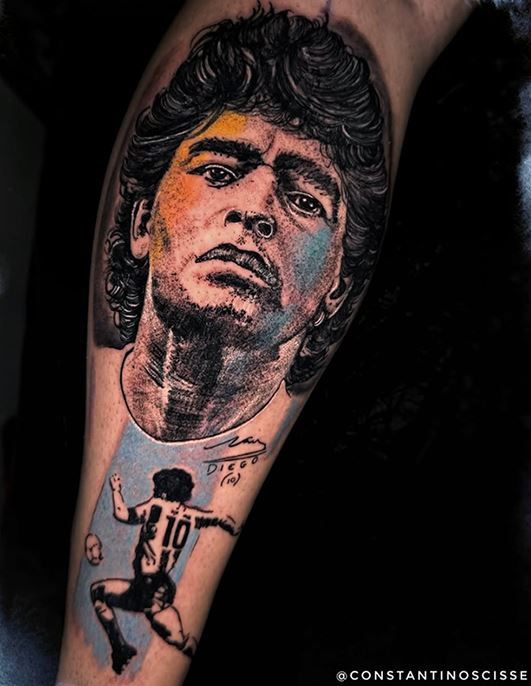
A: Thank you for noticing my personal style! I would define my style
as illustrative realism with sketchy, watercolor, abstract and mixed
media influences as a fusion of realistic representation with an
imaginative or narrative element. It involves creating detailed and
lifelike depictions of subjects, whether they be people, objects, or
scenes, while also incorporating stylistic choices that add a unique
flair or storytelling aspect. In illustrative realism, attention to
detail is crucial. I strive to capture the subtleties of light,
texture, and form, which helps bring my subjects to life. However,
unlike traditional realism, this style allows for a bit more
interpretative freedom. I often incorporate vibrant colors,
exaggerated proportions, or stylized backgrounds that reflect my
creative vision and emotional response to the subject matter.
Ultimately, my goal with illustrative realism is to strike a balance
between authenticity and artistry, engaging the viewer's imagination
while still delivering a strong foundation in realism. It’s about
creating a compelling visual narrative that resonates on both an
aesthetic and emotional level.
Q: Your tattoos have the feel of
beautifully illustrated book covers. Where do you get your ideas?
A: Indeed, I find inspiration from a variety of sources, which often
contribute to that illustrative book cover feel. I’m influenced by
various art movements and styles throughout history. The techniques
used by illustrators, painters, and printmakers shape my approach to
line work and composition. I enjoy exploring different eras and
artists, which helps me develop a richer visual language. Tattoos
often carry a significant personal meaning for my clients and
collaborating with them to tell their stories is incredibly
rewarding. I enjoy discussing their experiences and emotions, which
can lead to a unique and personal design ideas. Also, everyday life
factors are a good source. Sometimes the smallest moments or
feelings can spark an idea which often develops into larger
concepts. Overall, I strive to synthesize these inspirations into
cohesive designs that resonate with the individual and elevate the
aesthetic of the tattoo. Each piece is a collaboration between my
artistic vision and the client's personal story, which makes the
creative process truly exciting.
Q: You're incredibly talented, I could see
you thriving in other creative fields like graphic design. Have you
ever thought about exploring that?
A: Again, thank you so much for your kind words! I've certainly
thought about exploring other creative fields, including graphic
design. The skills and concepts I use in tattoo artistry - such as
composition, color theory and visual storytelling overlap
significantly with graphic design. I use the graphic design for
personal use, preparing my own studio goods, like stickers, posters,
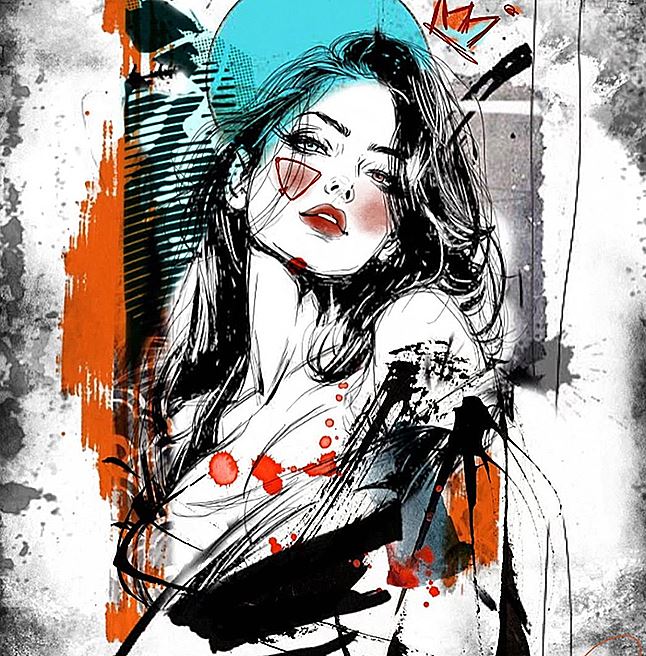
merchandise etc. I also work on my own paintings, I make my own
statues, jerseys, sweaters, posters, mugs, etc. I have also
published a Poetry book, in collaboration with my mother who is also
a poet. In the book, every one of my paintings is accompanied with a
poem. Until today, I have had four painting exhibitions. Two were
personal. The paintings featured in the exhibition are from my
collection “Woman Through My Eyes” and of course, the key element
is…the woman. I am currently preparing a new project with more
abstract and street influence. Through my painting exhibitions I get
a wonderful opportunity to work on a variety of projects, from
branding and advertising to digital illustrations and layouts. I
find the flexibility of the medium appealing, allowing for
experimentation with different styles and techniques that can be
applied across various platforms. Incorporating graphic design into
my repertoire could enhance my tattoo work as well, allowing me to
create better visual identities for my clients or develop
promotional materials that reflect my artistic vision. It could also
enable me to reach a broader audience beyond tattoos, whether
through merchandise, poster designs, or digital art. As I continue
to develop my skills and explore new avenues, I’m open to the idea
of diving deeper into different ways of expression. This can be a
wonderful way to expand my creative horizons and engage with
different aspects of visual communication.
Q: Can you walk me through your
creative process? Do you sketch out ideas beforehand, or does it
evolve during the session?
A: Absolutely! My creative process is a blend of preparation and
spontaneity and varies depending on the piece and the client. First
step is the initial consultation by gathering ideas, so I start with
a conversation with the client to understand their vision, the story
behind the tattoo and any specific elements they want to include.
This helps me capture their personal style and meaning. Sometimes, I
suggest creating a mood board or gathering reference images to
visualize themes, styles, or specific aesthetics that resonate with
them. After the initial consultation, I spend time researching the
themes or symbols that are important for the client. This could
involve looking into cultural references, artistic styles or even
historical context. I usually begin with loose sketches based on our
discussions. This stage is all about getting ideas down on paper
without worrying too much about perfection. Once I have a few
concepts that I think capture the essence of what we discussed, I
refine these sketches. This might involve experimenting with
different compositions, line work and color schemes. I present the
refined sketches to the client for feedback on the appointment day
or a day before. This is a collaborative part of the process, where
we can discuss any changes they might want to make, or elements they
feel need more emphasis or adjustment. I want them to understand
that it’s a collaboration between the two of us and I don’t do the
design alone. I finalize the design, ensuring that it’s polished and
ready for tattooing. This includes considerations for placement on
the body, size and any specific technical aspects of tattooing.
During the sessions, I often stay open to spontaneity. While I step
thoughtfully along the lines of the finalized design, there’s always
room for organic evolution as I work. Sometimes l inspiration
strikes in the moment - to add a flourish or adjust a line. After
the tattoo is complete, I provide the client with aftercare
instructions and encourage them to reach out if they have any
questions or concerns post-session. In essence, while I do have a
structured process that incorporates sketches and client input, I
also embrace flexibility and creativity during the actual tattooing.
Each piece becomes a unique blend of premeditated design and
on-the-spot inspiration, making it an exciting journey for both the
client and myself.
Q: Most clients are familiar with your
style and appreciate your artistic approach. But do you ever have
clients who request something outside of that style? How open are
you to adapting their ideas while still staying true to your own
vision?
A: Yes, it's not uncommon for clients to approach me with ideas or
styles that differ from my signature approach. I always appreciate
when clients reach out to collaborate on their vision and I'm
generally open to adapting their ideas, provided they can be
integrated into my artistic strengths. I start by having a thorough
discussion with the client about their idea. It’s important to
listen and understand what they’re envisioning and the reasons
behind their requests. This helps me estimate how closely their
concept aligns with my style. If a client requests something outside
of my usual style, I explore ways to adapt their concept while still
infusing it with my artistic voice. This might involve integrating
certain elements from their idea into a form or style that resonates
more with my established techniques. I believe in collaboration, so
I work to find a balance that honors the client’s vision while
allowing me to remain true to my artistic identity. This could mean
changing certain aspects of the design or suggesting a fusion of
styles that might work well together. Sometimes I'll create
variations of the design that incorporate their ideas alongside my
aesthetic. Presenting a few options can help the client see how
their vision can evolve within my style, leading to a more cohesive
final piece. If a client's request may not translate well into a
tattoo (due to factors like complexity, size or longevity), I
provide guidance and suggestion on alternative approaches while
still respecting their original intent. While I’m adaptable, I also
know the importance of staying true to my artistic identity. If a
request fundamentally conflicts with my style or craftsmanship, I
have to be honest with the client. In such cases, I might recommend
they seek a different artist whose style aligns more closely with
their vision. Once we agree on a design that resonates with both of
us, I ensure the client feels excited and comfortable. My goal is to
create a tattoo that they will cherish while maintaining the
integrity of my artistry. In summary, I find joy in the challenge of
adapting my style to meet clients' unique needs while maintaining my
artistic integrity. Each piece is a collaborative journey, and
finding that sweet spot where both the client’s vision and my
artistic voice converge is incredibly rewarding.
Q: Any rules for design corrections,
especially last minute?
A: Design corrections, especially at the last minute, is a delicate
matter in the tattooing process. There are some guidelines I follow
to ensure that any changes - whether small tweaks or more
significant adjustments are handled effectively. Since I believe
that communication is key, I proceed with an open dialogue and I
encourage clients to speak their concerns or desires for changes as
early as possible. The more open the communication, the easier it is
to navigate corrections. I typically establish a timeline for when
design changes can be made. Once we start the tattooing process, it
can be more challenging to make significant alterations. Before the
session, I inform clients that we can make changes up until a
certain point. This helps manage expectations and ensures we have
plenty of time to finalize the design. Before starting, I always
show the final design to the client for a final confirmation. This
helps ensure their excitement and commitment both with the design
and me. If a last-minute change can't be implemented due to
technical limitations (e.g. a design is too intricate for the
client’s chosen size), I make sure to explain why this is not
possible, clearly and professionally. By following these guidelines,
I aim to create a balance between the client’s wishes and the
practical realities of tattooing. The goal is to ensure that both
the client and I, feel confident and satisfied with the design
leading to a positive experience.
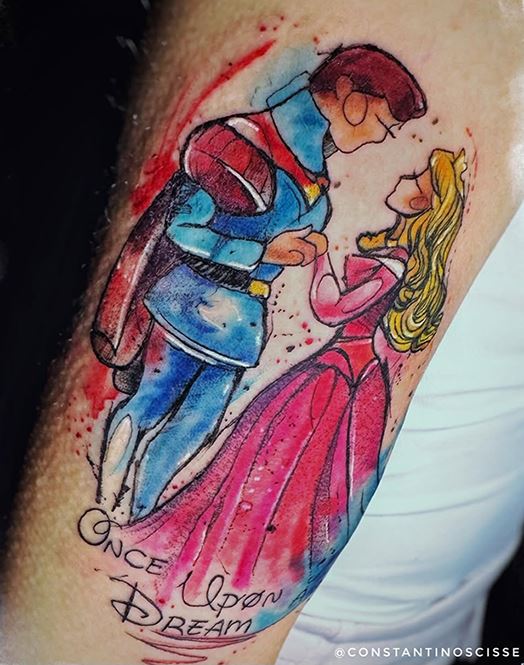
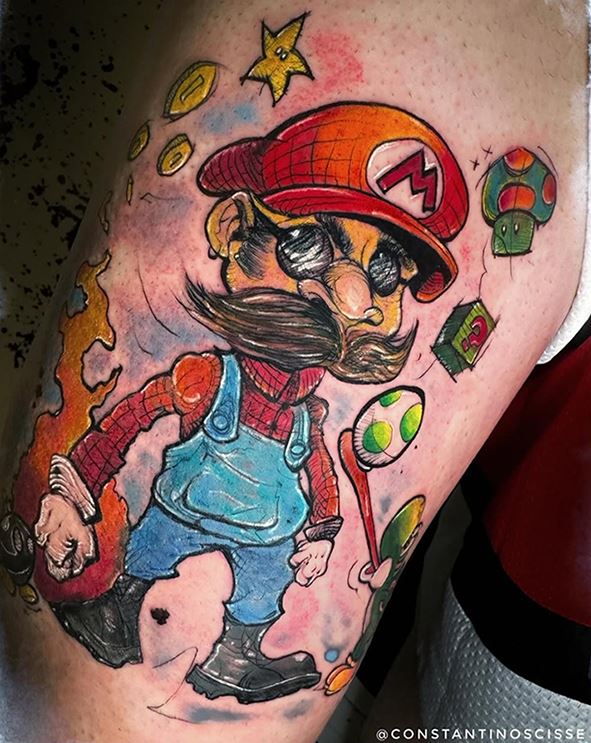
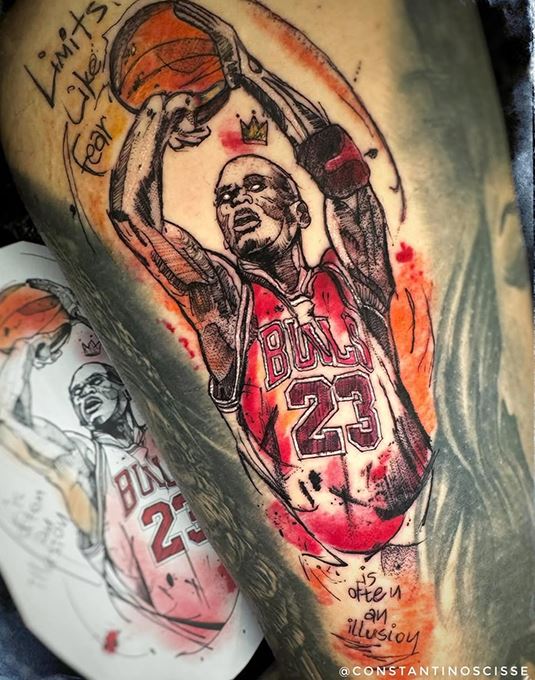
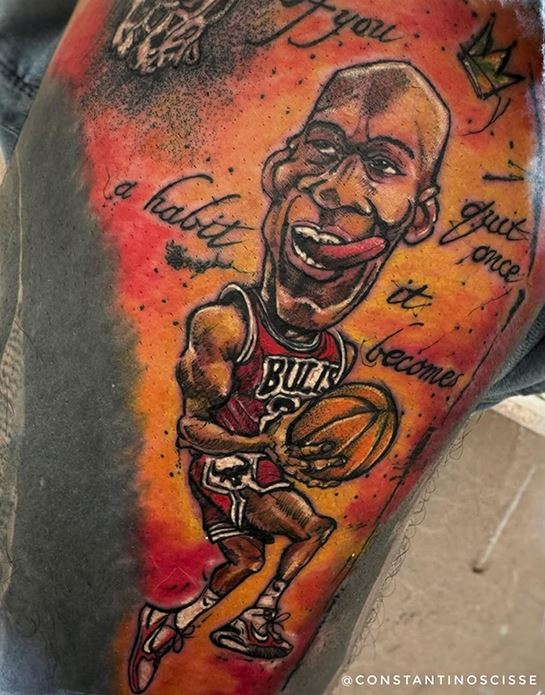
Q: I have to say, some of your designs
have such a fun, caricature-like vibe-so creative! I’m especially
loving that Super Mario and Michael Jordan tattoo-absolute
favourites! Who came up with those concepts?
A: I’m thrilled to hear that you appreciate the fun, caricature-like
vibe of those designs! They often stem from a combination of client
ideas and my own artistic interpretation. Some of my designs, I
prepare without a client just off my own inspiration and a client
gets enthusiastic with that and adopts it. Some of my designs start
with a client's idea or inspiration. For something like a Super
Mario or Michael Jordan tattoo, clients often bring a strong
emotional connection to those characters or figures, which is
crucial to creating a meaningful piece. After the initial concept is
shared, I engage in a collaborative brainstorming session with the
client. We discuss what elements they want to include, such as
specific poses, characters, or themes. This helps shape the overall
design direction. For playful concepts like Super Mario or Michael
Jordan, I typically focus on exaggerated features, bold colors, and
a sense of movement to capture that caricature-like essence. With
characters like these, I love to incorporate fun elements that
resonate with the nostalgic or aspirational qualities associated
with them. For example, depicting Mario in action or Michael Jordan
in a dynamic pose adds energy and excitement. After several
adjustments based on the client's feedback, we arrive at a final
design that embodies both the client’s ideas and my artistic touch.
It's always rewarding to see the client's joy when they see how
their concept came to life.
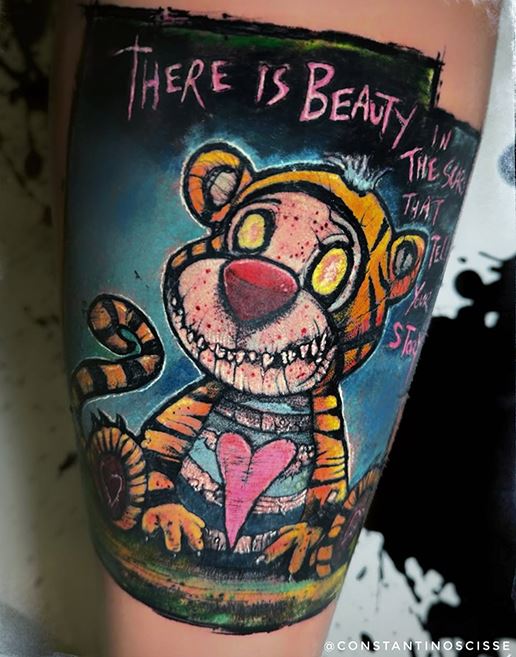
Q: What about exploring different styles?
A: Exploring different tattoo styles can be a thrilling aspect of
being a tattoo artist. Trying out different styles, realism,
watercolor, traditional, fine line, microrealism, abstract or
neo-traditional, helps expand my technical skills and versatility as
an artist. Each style has its own unique technique and challenges,
which can be quite rewarding to master. Engaging with new styles
allows me to express my creativity in fresh ways. Different
aesthetics can inspire new ideas and influence my overall approach
to tattooing, leading to unique and innovative designs. Clients have
varying tastes and ideas and by experimenting with different styles,
I can better meet their individual preferences. Being proficient in
multiple styles opens up more possibilities for clients seeking
something specific. Also, stepping out of my comfort zone forces me
to grow as an artist. It can be challenging but ultimately rewarding
to push boundaries and explore new techniques, colors and design
philosophies. Regularly experimenting with new styles helps keep my
work exciting, both for me and for my clients. It prevents burnout
and encourages continue learning and adaptation.
Q: What’s the most challenging tattoo
you've ever done, both creatively and technically?
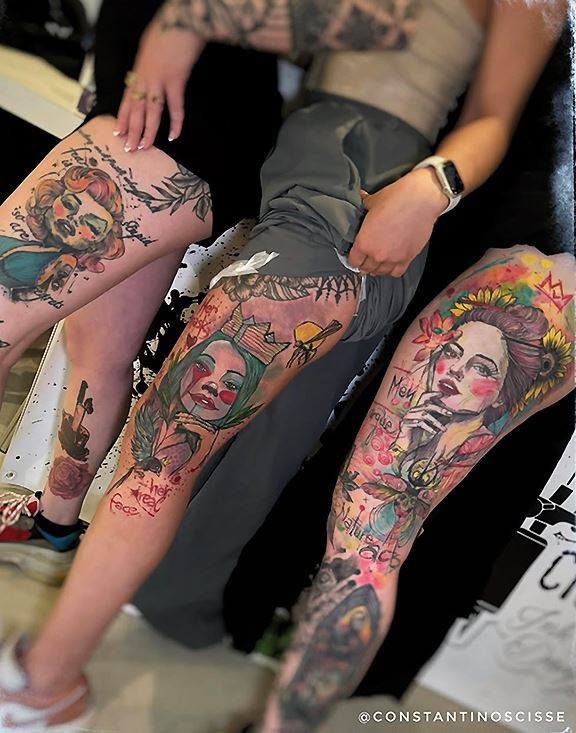
A: I’ve come across numerous challenging projects that tested both
my creative vision and technical skills. One tattoo that stood out
for being particularly demanding was a big leg piece with women
portraits, created in my personal style and combined several
elements. Another demanding piece I remember, was the case of a
client who wanted a story to unfold across his leg, incorporating
elements like a custom portrait which was a draft for my paintings.
The design required a vibrant color palette to bring the fantasy
elements to life, mixing colors accurately, blending gradients
smoothly and making sure that all will blend evenly. The types
complemented in such a large area was truly a challenge. Proper
application techniques were crucial to avoid patchiness. The unique
design the client desired meant that each component had to be
detailed. Achieving the right levels of shading and mixing the
colours especially and the textures of the elements took time and
precision, requiring multiple sessions and adjustments. Working
closely with the client is essential to gather continual feedback,
adjust elements according to their vision and manage expectations.
The clients mentioned above gave me the absolute artistic freedom
that I needed to ensure their ideas were fully realized in the
design. Ultimately, while a unique, big and custom piece is an
intense process, completing the tattoo is incredibly rewarding.
Seeing the result and the client’s satisfaction make all challenges
worthwhile. Each of these obstacles taught me valuable lessons of
patience, adaptability and the importance of communication during
the whole process.
Q: Being a full-time tattoo artist seems
like one of the coolest jobs out there, you get to meet new people,
hear their stories, and enjoy the studio vibe. While it’s a job that
takes serious dedication and hard work, I imagine it’s incredibly
rewarding too. What do you love most about being a tattoo artist?
A: Being a tattoo artist is indeed an incredibly fulfilling career!
Each client comes with their own story, emotions, and personal
journey. Being part of that process, whether it's remembering a
loved one, marking a significant life change, or simply expressing
their identity, creates a deep and meaningful connection. I love
hearing their stories and being able to translate them into art.
Tattooing is a unique blend of art and craft. I have the freedom to
express my creativity daily, whether through designing custom
tattoos or experimenting with different styles and techniques. Each
tattoo is a canvas for artistic exploration, allowing for endless
possibilities. Tattoos can be transformative for clients, offering
them a sense of empowerment, healing, or self-expression. It’s
incredibly rewarding to see how a piece of art can lift someone’s
spirits or help them celebrate a milestone in their life. The tattoo
community is full of diverse and talented individuals, from fellow
artists to clients. I love sharing ideas, techniques, and
experiences with my peers, learning from each other and growing
together. Tattooing is a field that is always evolving, with new
trends, techniques and technologies. I enjoy the opportunity to keep
learning, whether it’s through workshops, conventions or simply
experimenting in the studio. This commitment to growth helps me keep
my skills sharp and my work fresh. There’s a unique satisfaction
that comes from creating something tangible and lasting. The
combination of artistry, personal connection and the ability to
positively impact lives makes being a tattoo artist one of the most
rewarding careers one could have.

Q: Do you have any interesting hobbies?
A: I love to travel. Exploring new cultures and places can offer
fresh perspectives and inspiration for my art. Also, I love to
travel to tattoo conventions around the world or visit different
cities to learn and connect with other artists. Jogging and running
long distances is something that I love too. I used to play football
since I was eight years old in academies until last year, but the
time has passed so I decided to leave it. Now, almost every day I am
trying to go out and run, even when I travel. This is something I
really enjoy, because is a unique way to explore the nature in
foreign cities. Staying physically active can help with stamina
during long tattoo sessions too!
Q: Best careers highlights?
A: For sure when reflecting on the career highlights of a tattoo
artist, several key moments and experiences often stand out. Some of
the most fulfilling aspects of a tattoo artist's journey is the
development of a long-term relationship with clients who return for
future tattoos. Actually, some people have become from clients to
friends. Of course, gaining recognition in the tattoo community,
whether through conventions, features in magazines or social media,
can be a significant highlight. Having your work acknowledged and
celebrated by peers enhance your skill and passion. Working with
other artists on different studios or participating in tattoo
conventions and meeting other artists, showcasing work and learning
from experts in the field can inspire and motivate personal growth.
These experiences allow for creative exchanges and networking within
the community and are a great satisfaction. Mastering a particular
technique and being known for it often leads to exciting
opportunities. Creating custom tattoos that reflect a client's
story, vision and personality is a gratifying process. Turning ideas
into unique artwork that has personal significance often stands out
as rewarding aspects of this job. Mentoring aspiring tattoo artists
or teaching workshops can also be incredibly fulfilling. Passing on
knowledge and skills helps build the next generation of tattoo
artists and contributes to the community's growth. Watching my
students grow and improve is mesmerising. Opening your own tattoo
studio is the most significant career highlight and important to the
tattoo artist’s legacy, as it provides independence and the chance
to showcase yourself. Overcoming challenges, whether related to the
art form, business aspects or personal obstacles, often leads to
deep personal growth. These moments foster resilience and
determination that can define a career. Ultimately, finding a way to
turn a passion for art into a sustainable career is a remarkable
highlight in itself. Balancing creativity with a profession allows
for both personal fulfilment and financial stability, that is very
satisfying.
Q: Do you like the local tattoo scene? Do
you see progress?
A: The truth is that over the years, there has been a significant
shift in public perception of tattoos, something that didn’t exist
when I first started my tattoo career in Paphos. Now people have
become more accepting to body art, which can be seen in an
increasing number of tattooed individuals (or not) from various
professional fields and social settings. As far as it concerns the
fellow tattoo artists, many of them are committed to learning proper
techniques, hygiene practices and safety protocols, which can
elevate the overall reputation of the local scene. The most positive
progress is that a national Law has been implemented, therefore,
people take us a bit more seriously and respect us as professionals.
Currently, I am the Secretary of the Tattoo and Piercing Association
Cyprus. Local tattoo conventions, art shows and collaborations
between artists and other creative fields have become more common.
Also, the rise of social media has dramatically influenced the
tattoo scene by increasing exposure for local artists. Platforms
like Instagram allow artists to share their work, connect with
potential clients and engage with a broader audience. Advancements
in technology, such as digital design tools and improved tattoo
machines are pushing the boundaries of creativity in tattooing.
Artists can experiment with new techniques and styles that were not
possible before. A growing number of tattoo artists are using their
craft to support social causes, whether through fundraising events,
awareness campaigns, or creating pieces that promote positive
messages. This highlights a sense of responsibility and engagement
within the community. Overall, many artists view the local tattoo
scene as a dynamic and evolving space that continues to progress.
While there are always areas for improvement, the collective efforts
of artists and the community often lead to a flourishing environment
for creativity, artistry, and expression.
Q: Your future plans?
A: I plan to participate in more tattoo conventions worldwide and
complete the painting project I have mentioned. The aim is to gain
exposure, grow my network and showcase my work. I will keep engaging
with the local community, possibly through charity events,
fundraisers or initiatives that promote art and self-expression. I
will also honor my position as the Secretary of the Association and
contribute to the making of concrete policies.
Q: Where are you located? Please write down your studio
location and website/social media links. Also let us know if you are
available for bookings.
A: My Tattoo Studio is located in Paphos, Cyprus. You can also find
me in other tattoo studios, like Andry Droushioty Tattoo Studio in
Limassol, Cyprus and Dildo Tattoo Studio in Athens, Greece. Here you
can find the link to all of my website/social media:
https://linktr.ee/constantinoscisse Yes, of course I am
available for bookings, always through appointments.
Q: Your advice for those who want to try
getting into professional tattooing?
A: Entering the field of professional tattooing can be an exciting
and rewarding journey. Every potential tattoo artist, must
understand the art form. They must be willing to learn about
different tattoo styles, artists and techniques and familiarize
themself with the history and culture of tattooing. They must
improve their drawing skills by practicing regularly. It’s important
to focus on anatomy, shading and various styles and experiment with
various artistic mediums (pencil, watercolor, digital art) to
diversify their skills. It’s also important to seek an
apprenticeship or find a mentor by reaching out to local tattoo
artists to inquire about apprenticeship opportunities. A mentor can
provide valuable guidance and knowledge. Newbies must be open to
learning and start with basic tasks, learn the technical skills and
understand equipment. This career path is competitive and
challenging. They must be willing to face setbacks and still
continue improving and most importantly, to be patient and
dedicated…mastery takes time. Strong communication skills and
constructive criticism will always important one's skills and
relationships.


