
Interview with Mustafa Corbaci
Hello Mustafa Corbaci! Thank you so
much for taking the time to do this interview. Tell us about
yourself and your background. I was born and raised in
Turkey and started drawing at a very young age. Art has always been
a natural language for me. At the age of 11, after winning a
painting competition, I realized that art would be an essential part
of my life. I studied sculpture first, and then graphic design at
university, which gave me a strong foundation in composition,
anatomy, and design principles. These skills naturally guided me
into the world of tattooing, where I found a way to merge fine art
with human expression. Today, I’m based in Jacksonville, Florida,
working as a professional tattoo artist, constantly refining my
craft and connecting with people through my work.
Q: Who or what inspired you to draw?
A: My earliest inspiration came from the details I observed in
nature and the stories I saw in people’s faces. I’ve always been
fascinated by the way light and shadow create depth and emotion. As
I grew older, I started to admire artists like Caravaggio for his
dramatic use of chiaroscuro and Leonardo da Vinci for his mastery of
anatomy and detail. The Renaissance period, in particular, had a
strong impact on me, shaping how I approach realism and structure in
my work today.
Q: When did tattooing come into the picture?
A: Tattooing came into my life in my late teenage years. What
started as experimenting with friends in the neighborhood quickly
grew into a deep passion. By the time I was 20, I began working
professionally in a studio in Istanbul. Over the years, I opened my
own studios in Istanbul, Samsun, and Izmir, constantly pushing my
limits and refining my style. That journey eventually brought me to
the U.S., where I now continue to grow and share my art.
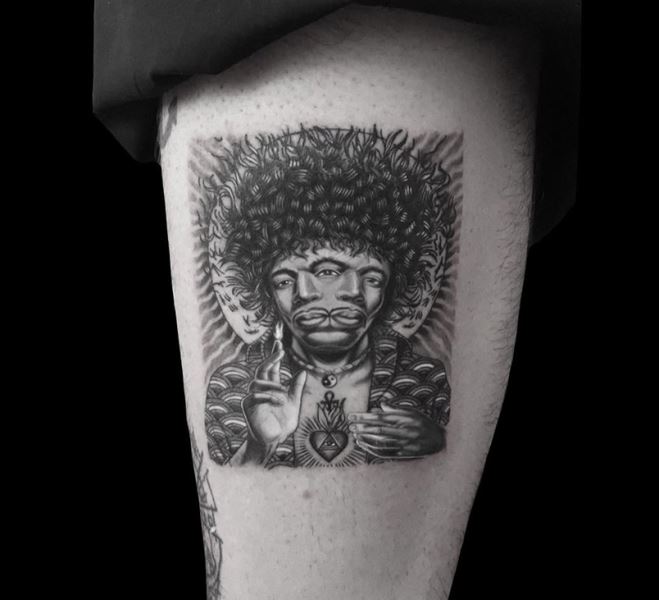
Q: Why black and grey realism?
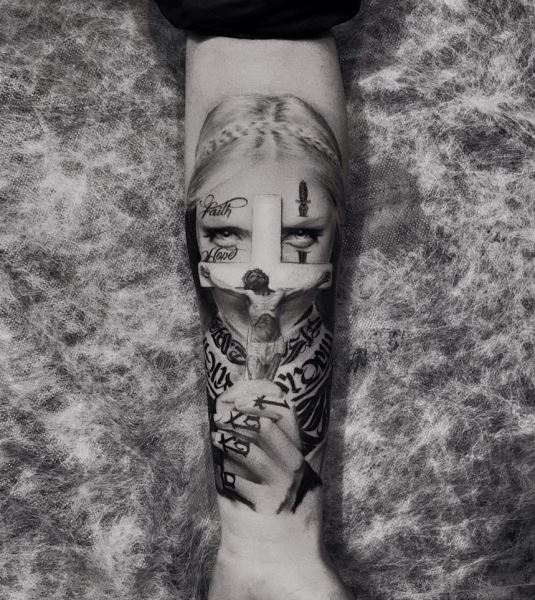
A: Black and grey realism allows me to express depth, emotion, and
texture in a timeless way.There’s something powerful about working
in monochrome - it strips everything down to pure light, shadow, and
detail. I love how this style challenges me to be precise while
still leaving room for organic, lifelike flow. It also resonates
deeply with clients, making each piece feel unique and personal.
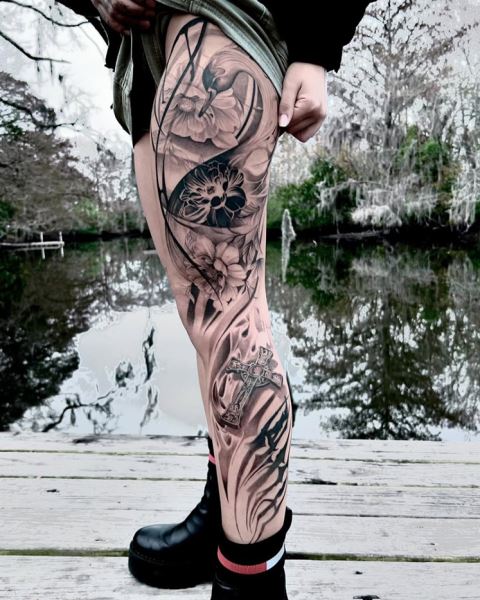
Q: The most challenging part of realism?
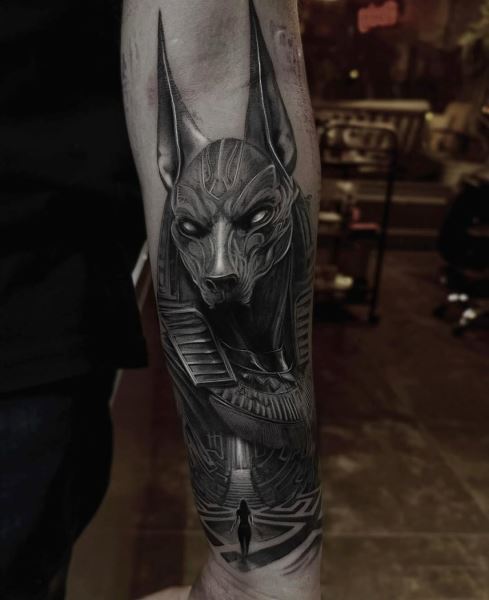
A: The most challenging part of realism is maintaining precision and
depth throughout the entire piece while keeping it organic and
natural. Every detail matters - from the smallest hairline to the
way shadows fall - and a minor mistake can change the overall
balance of the tattoo. For me, the key is patience and preparation:
understanding the design, mapping it perfectly, and then letting the
needle flow naturally. This balance between control and freedom is
what keeps me constantly motivated and focused.
Q: Have you ever considered working with color?
A: I’ve experimented with color in the past, and while I appreciate
the vibrancy and creative possibilities it offers, black and grey
has always felt like home to me. The subtlety, the timelessness, and
the emotional depth that black and grey realism provides align
perfectly with my vision as an artist. That said, I remain open to
integrating subtle color tones when a design truly calls for it, as
long as it complements my overall style.
Q: When a client commissions a unique piece…
A: Every tattoo starts with a story. Clients often come to me with
ideas tied to their personal experiences, emotions, or memories. I
take time to understand their vision, and then I translate those
emotions into a design that blends their story with my artistic
approach. It’s always a collaboration - their concept sets the
foundation, but I shape it with my perspective, ensuring the result
feels authentic, balanced, and meaningful.
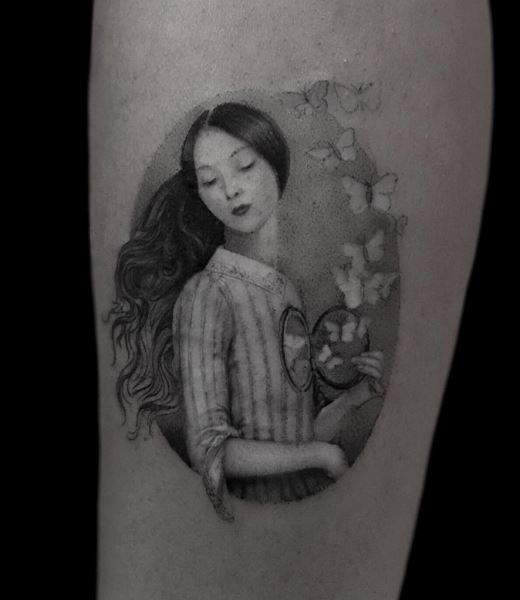
Q: A project that pushed your limits?
A: One of the most challenging and memorable pieces I’ve worked on
was for a military Boeing pilot in Colorado. The client wanted a
design that reflected the essence of Colorado’s breathtaking nature,
incorporating elements like the Rocky Mountains, wildlife, and the
serene landscape where he grew up. The challenge was to capture the
depth and realism of the mountains while blending in the softer
elements of the scene, such as the elk and the wooden fences,
without losing balance or detail. The level of precision required
for the textures, shadows, and natural flow really pushed me to
bring my technical and creative skills together. It was a deeply
rewarding project because it told a very personal story and demanded
a high level of focus and patience.
Q: Handling creative blocks and client expectations.
A: Creative blocks can happen, but I believe they are a natural part
of any artistic process. When I feel stuck, I take a step back,
revisit my references, and let myself breathe until the idea flows
naturally again. I also stay in close communication with my clients,
discussing their vision in detail to ensure we are aligned. If
something doesn’t feel right during the process, I’m always open to
adjusting the design or even reworking parts of it to achieve the
best result. For me, empathy and collaboration are key -
understanding what the client truly wants and combining it with my
artistic expertise always leads to a piece we can both be proud of.
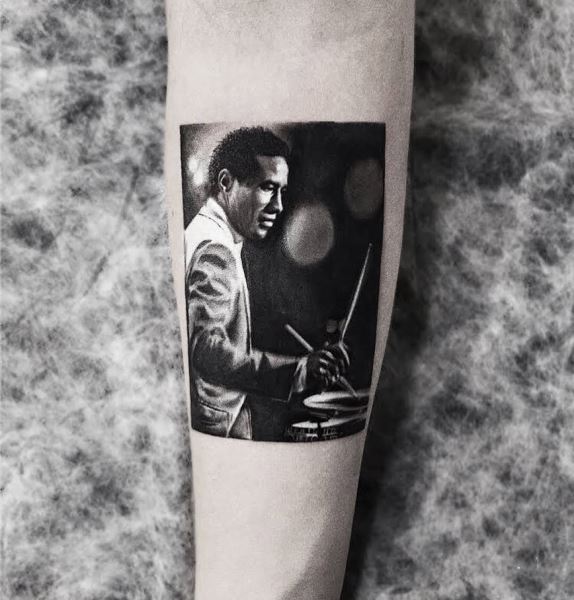
Q: Being part of personal client experiences.
A: Being part of such intimate moments is one of the most meaningful
aspects of my work. Many clients share deeply personal stories
during the process, and knowing they trust me with something so
significant is humbling. It pushes me to give my best every single
time, because I know I’m not just creating a tattoo - I’m creating a
permanent piece of their life story. This connection reminds me why
I started this journey and constantly motivates me to keep evolving
as an artist.
Q: Let's talk about moving from Turkey to the U.S.
A: Moving to the U.S. was a major turning point in my career. It
opened the door to new opportunities, from working with a diverse
range of clients to connecting with other talented artists in the
industry. The cultural diversity and the level of appreciation for
art here have pushed me to refine my techniques and expand my
creative boundaries. Personally, it has also taught me resilience
and adaptability, qualities that reflect in my work every day.
Q: Are you planning to stay?
A: Yes, I’m planning to stay in the U.S. long-term. The
opportunities here to grow, connect, and share my work with a
diverse audience are unmatched. I feel that the U.S. has allowed me
to elevate my craft and expand my vision as an artist, so this is
where I see my future.
Q: Have you worked at other studios before?
A: Yes, I’ve worked as a guest artist in several studios in Turkey
and abroad. Every studio experience has taught me something valuable
- from adapting to different work environments to learning new
techniques from other talented artists. Guest spots also allow me to
connect with the local community, which is one of the most inspiring
aspects of this job. It’s an incredible way to grow as an artist
while sharing and exchanging knowledge.
Q: The American tattoo scene and its support for new
artists.
A: The American tattoo scene is incredibly dynamic and diverse. It
creates a supportive environment for new artists by encouraging
creativity, individuality, and collaboration. I love how open and
inclusive the industry is here - it’s a space where talent and
dedication are recognized, no matter where you come from. This
environment not only inspires young artists but also pushes everyone
to continuously evolve.
Q: How often do you attend tattoo conventions?
A: I try to attend as many conventions as possible because they’re
an incredible way to grow as an artist. Being surrounded by talented
artists from all over the world is inspiring and pushes you to
constantly improve. Conventions are also a great way to connect with
clients and showcase your work to a wider audience. Recently, I
participated in the Jacksonville Tattoo Convention and won 2nd place
overall and 3rd place in black & grey, which was an amazing
experience that I’m very proud of.
Q: Favorite American tattoo artists?
A: Miguel Natan, with his hyper-realistic work and incredible
precision, is a huge inspiration to me. Bersakov impresses me with
his black and white portrait style that often feels like cinematic
frames, and Goldy-Z creates powerful black and grey tattoos with
soft shading and a beautifully subtle, low-contrast finish.
Collaborating with any of these artists would be an amazing
experience and an opportunity to grow even further.
Q: Favorite career highlight?
A: One of the most memorable highlights of my career so far was
participating in the Jacksonville Tattoo Convention, where I won 2nd
place overall and 3rd place in black & grey. It was a special moment
that reminded me how far I’ve come since the early days of tattooing
in Turkey. Being recognized among so many talented artists was
humbling and motivating, pushing me to keep refining my craft and
aiming for even higher standards.
Q: What is next?
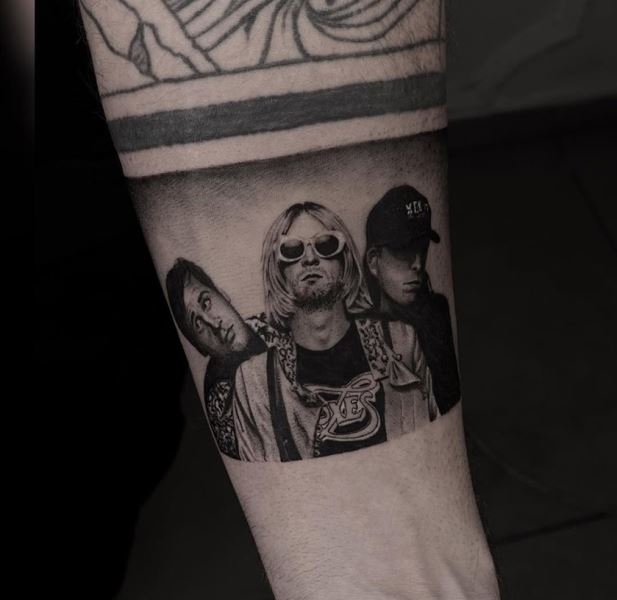
A: My focus right now is on continuing to grow my portfolio,
especially within black and grey realism, and connecting with more
clients and studios across the U.S. I also want to travel more, do
guest spots in different cities, and share my work with a wider
audience. Long term, I’d love to open my own studio in the U.S., a
space where I can create freely and also mentor younger artists.
Q: Impact on the tattoo community.
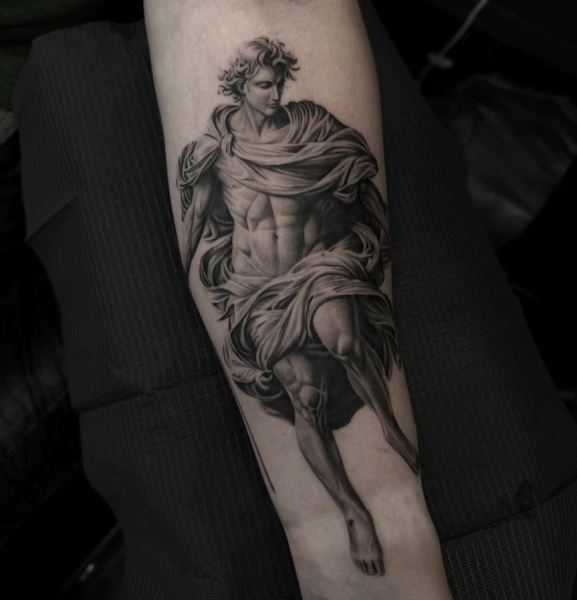
A: I want to inspire others through my work and show that with
passion, dedication, and continuous learning, it’s possible to
create meaningful and timeless art. My goal is to contribute to the
growth of the tattoo community by sharing my knowledge, supporting
other artists, and helping elevate the standards of black and grey
realism.
Q: Booking consultations.
A: Anyone interested in booking a session should contact my manager
first to schedule a consultation. The easiest way to start is by
reaching out through my Instagram (@elmucos), where you can see my
portfolio and get the contact details for bookings. My manager
handles the scheduling to make sure everything runs smoothly and to
plan each project carefully - especially for larger or more detailed
pieces.
Q: Advice to your younger self?
A: I would tell my younger self to be patient and trust the process.
Mastery takes time, and every challenge along the way is an
opportunity to grow. I’d remind myself to stay humble, keep
learning, and never lose the passion that started this journey. Most
importantly, I would say, “Believe in yourself - your art will take
you places you never imagined.”
Interview: Ivana Kancheska
Publishing Date: 25 August 2025


