
Interview with Paloma Radrigan
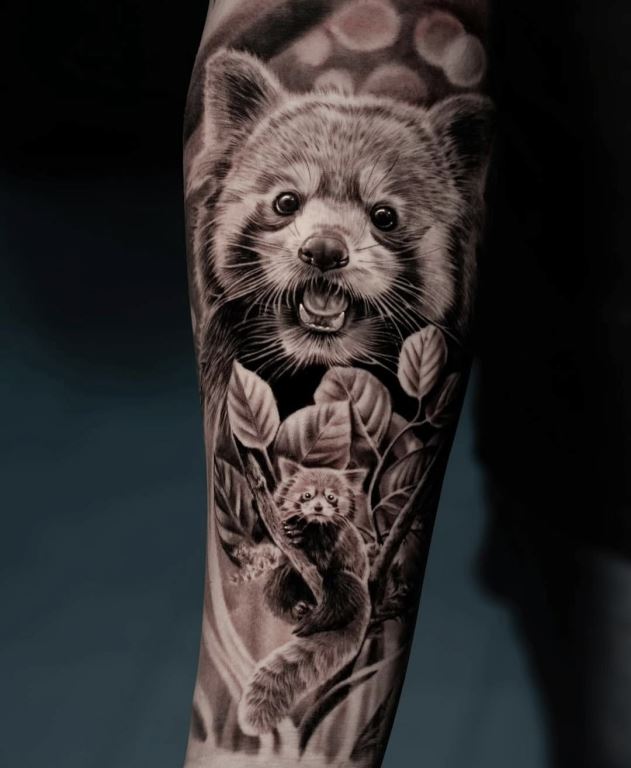
Hailing from Santiago, Chile, Paloma Radrigán is a
powerhouse in the contemporary tattoo world, known for her
breathtaking mastery of black and grey realism. With a striking
signature style that seamlessly blends hyper-detailed textures, deep
contrast, and powerful, dynamic imagery, her portfolio commands
immediate attention. Paloma's immense skill has not only earned her
a massive international following but has also positioned her as an
official judge (Jurado) at prestigious tattoo conventions across
Latin America, and an ambassador for major industry brands like
Don't Cry Baby and Expression Tattoo Supply. Striking the perfect
balance between fierce, high-impact wildlife portraiture and
hauntingly beautiful dark surrealism, Paloma continues to push the
boundaries of modern tattooing, solidifying her status as a vital
voice and a leading figure in the global tattoo community.
Q: What first sparked your passion for art, and how did you
realize that skin was the ultimate canvas you wanted to pursue?
A: Ever since I was a little girl, I remember having a deep passion
for art in general. I was always drawing, all the way up until
university where I studied Visual Arts, so I truly believe I was
born with this in my DNA. One of the main reasons that drove me to
transition from paper to skin was the desire for my work to endure
forever. I didn't want it to just be stored away in a book or locked
inside a gallery; I wanted it to travel the world and be seen by
everyone. It’s a form of art that is much more dynamic and
accessible to the public.
Q: Looking back at your very first days
holding a tattoo machine, what was the biggest hurdle you had to
overcome to build up your confidence?
A: Truthfully, my biggest obstacle when it came to finally taking
the plunge and tattooing was entirely mental. I already possessed
the proper drawing skills to deliver high-quality work, but the fear
of ruining someone’s skin is the hardest thing to overcome.
Eventually, I just took the leap without overthinking it. From that
moment on, it was all about building confidence piece by piece,
tattoo after tattoo, until I reached a point where the fear and
self-doubt completely disappeared.
Q: Did you undergo a traditional apprenticeship, or are you
self-taught? How did that initial learning curve shape your work
ethic?
A: My first real approach to the tattooing world was through an
intensive two-day course where I learned the bare basics. This
definitively sparked my interest in mastering the craft, leading me
to become self-taught, studying through videos and books, and simply
asking questions to other colleagues. Truthfully, my work ethic has
always been uncompromising, not just in tattooing but across all my
artistic pursuits. However, tattooing made me realize that you have
to be extremely meticulous and professional because we are working
on human skin, not paper. This is how I came to understand the deep
respect required for every single piece we create, and the respect
we owe to the people who wear our art.
Q: Who were some of your earliest artistic
influences, either inside or outside the tattoo community, that
inspired you to take this path?
A: To be honest, I didn't have any artists outside of the tattoo
industry who specifically inspired me to start tattooing. It entered
my life very quickly, and it was only then that I began researching
artists whose work truly resonated with me. One of the first who
caught my attention was Jayson Ramos, a Colombian tattoo artist
known for his stippling and whip-shading techniques. His work was
particularly influential during my early years, as it introduced me
to a style that I found both technically impressive and artistically
compelling. Later, I discovered Ramón Nieves, a Venezuelan artist
currently working in the United States. His black-and-grey realism
had a significant impact on me and played an important role in
inspiring my desire to pursue and refine that style in my own work.
Both of these artists were major sources of inspiration at the
beginning of my career and helped shape the direction I chose to
follow.
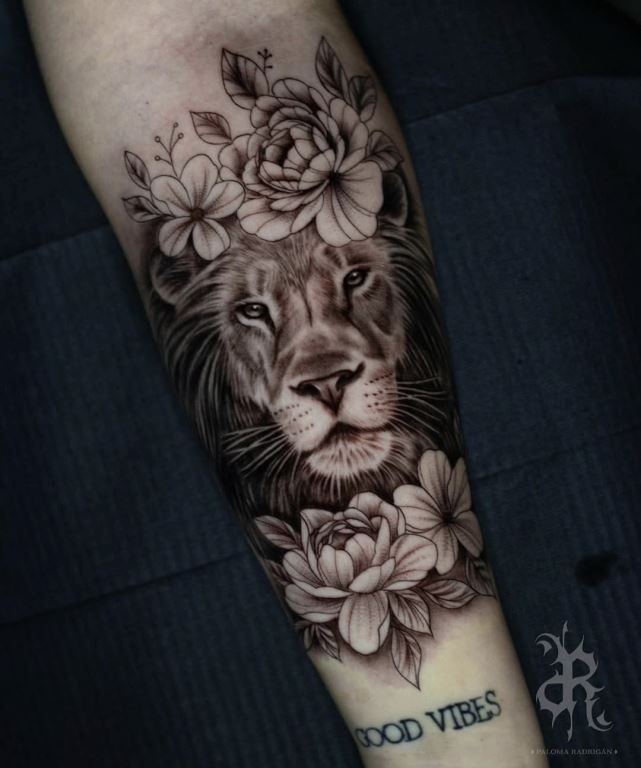
Q: Your work is a masterclass in black and grey realism,
characterized by incredible depth, rich contrast, and flawless ink
dilution techniques. How long did it take you to refine this
specific approach to black and grey?
A: To reach the level I’m at today, it took me about four years of
study. Since I spent so much time drawing with graphite, I became
deeply interested in translating that exact same technique into
tattooing, which is essentially black and grey. My goal was to
achieve a very similar result, capturing the smoothness, delicacy,
and contrast that you can create when drawing, but this time on
skin. All of this came from years of hard work and study, leading me
to an artistic path that I am eager to keep exploring and
developing.
Q: When mapping out a new custom piece,
how do you balance hyper-realistic details with the structural
longevity of the tattoo on skin?
A: To achieve a great result on the skin, it is crucial to take each
individual's healing process into account. Generally speaking, I
have found that tattoos look significantly better when you apply a
second layer of work. This goes a long way in reinforcing details,
enhancing contrast, and ensuring the ink's durability in the skin
for many years to come. However, we must always keep in mind that
the client has to take proper care of the piece; ultimately, it is a
collaborative effort between the artist and our canvas.
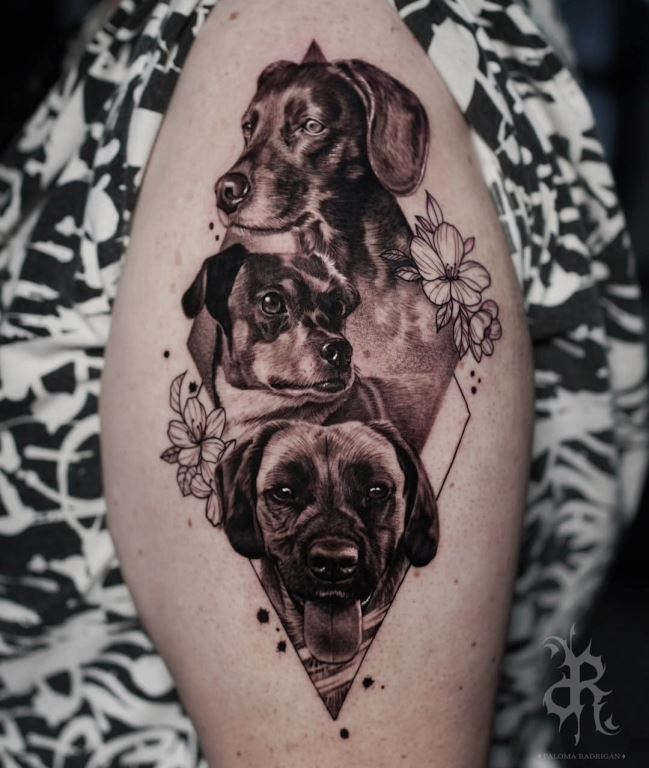
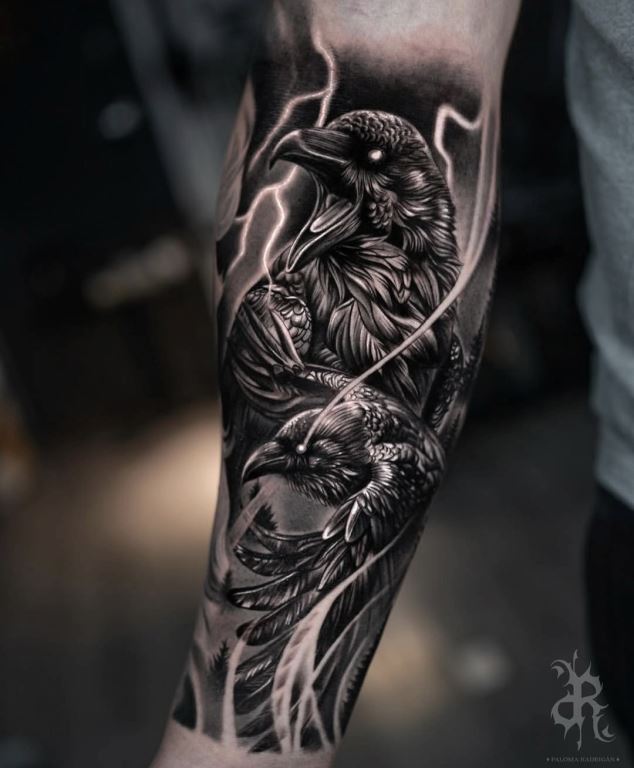
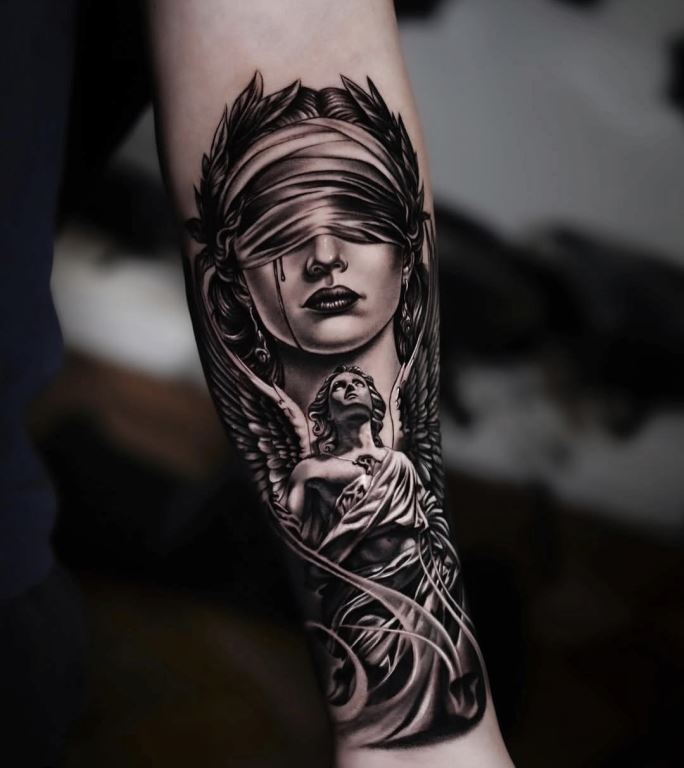
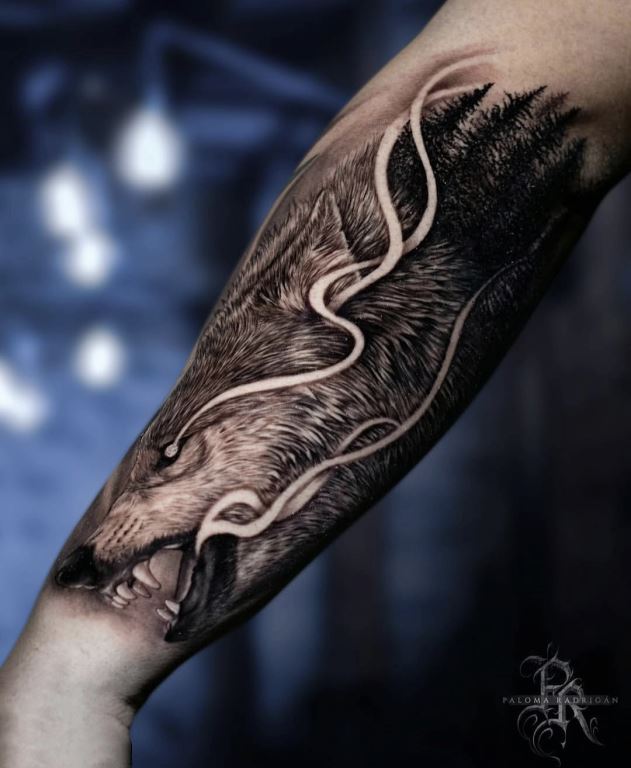
Q: Your portfolio heavily features powerful wildlife,
intense expressions, and intricate dark themes. What draws you to
these specific motifs, and how do you capture so much raw emotion in
them?
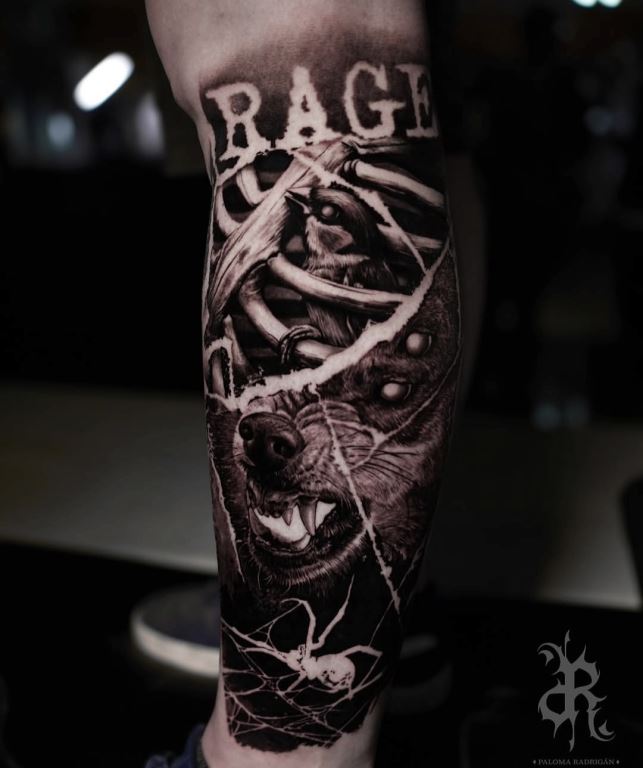
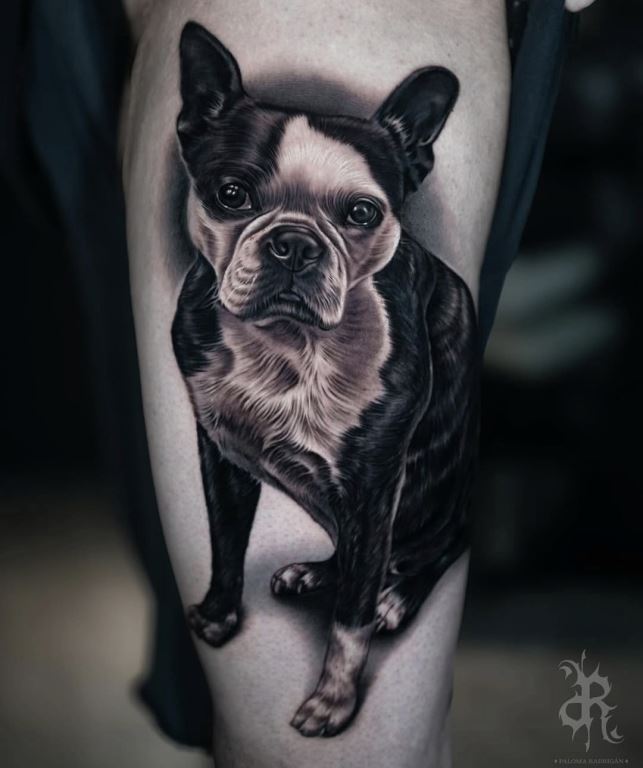
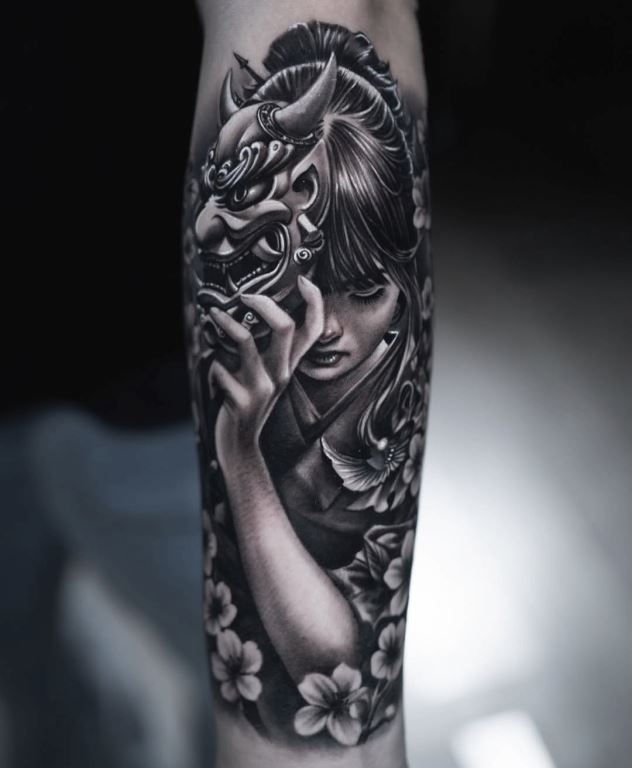
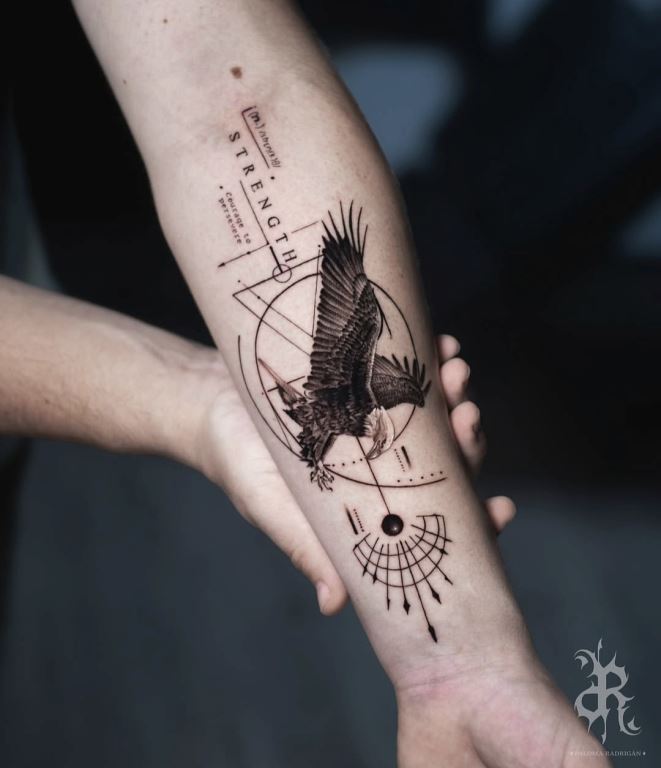
A: When it comes to creating the designs I love to tattoo, I simply
draw inspiration from my personal tastes, such as animals or the
music I listen to, like rock and metal. The imagery behind it is
dark, evocative, and powerful. By merging my love for animals with
this darker aesthetic, I've been developing a style that works
cohesively in a composition and delivers a powerful message. I
really enjoy working on the fine details of each piece, and I
believe this has truly become a signature of my work.
Q: Many artists struggle with contrast.
What advice would you give to up-and-coming artists on mastering the
gradient from the deepest solid blacks to the softest grey washes?
A: I think a great piece of advice for artists struggling with
contrast in their work is to lose the fear of applying the correct
tones. By this, I mean we all know that when you apply a smooth,
light shade, it naturally looks darker at first; however, we must
understand that once it heals, the true tones will come through. If
we overcome this fear, we can work with much more confidence,
knowing that we will achieve a great final result.
Q: You regularly serve as an official judge at major tattoo
expos and conventions. What is it like transitioning from a
competitor to the person holding the scorecard?
A: The transition from a tattoo convention competitor to a judge is
a crazy experience. As a competitor, you focus solely on one style
and your own tattoo. However, when you step into the role of a
judge, you have to open your mind to many different styles, themes,
and sizes. You really have to expand your mindset and step out of
the comfort zone we usually stay in. Being a judge truly helps you
grow and mature artistically because it also allows you to absorb an
incredible amount of knowledge from so many different competitors.
Q: Can you share some of your proudest
career highlights or award wins from your time traveling the
convention circuit?
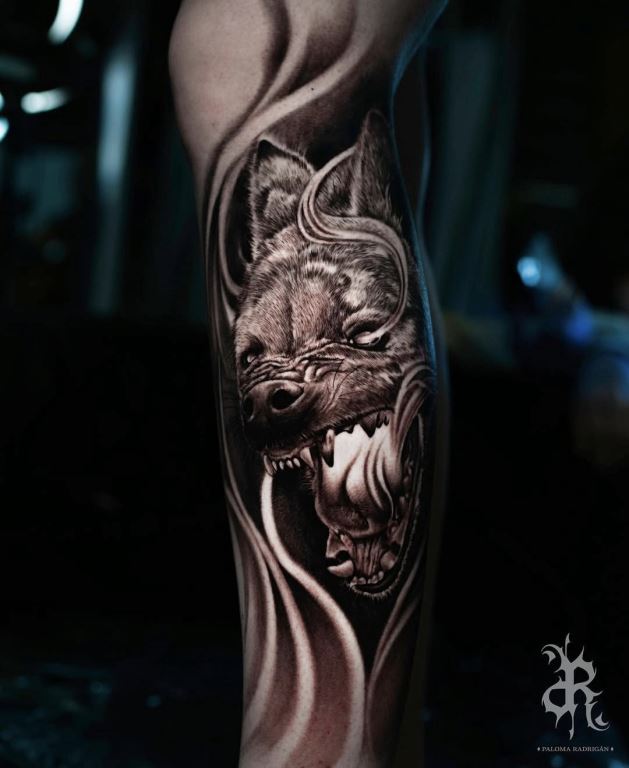
A: On a personal level, one of the most defining moments for me was
winning my first award at the very first convention I ever attended.
I took third place in Black and Grey with a hyena design. Winning
completely surprised me because I went in with a lot of self-doubt
and fear, being entirely unfamiliar with the experience. However, it
gave me a massive boost of confidence and security to keep pushing
forward, as it made me feel like I was on the right track. The
second milestone was winning my first first-place award at a
convention. That was the moment I realized my evolution as a tattoo
artist was reaching the level I had always aspired to a point where
I can truly see my artistic growth in both technique and design.
Q: Being an ambassador for prominent brands like Don't Cry
Baby and Expression Tattoo Supply is a massive achievement. How does
having access to top-tier modern equipment change or elevate your
daily workflow?
A: Having top-tier sponsors has been incredibly beneficial for my
career. Naturally, your work is taken more seriously when people
notice that reputable brands are interested in you. Above all,
product quality is crucial when working on someone's skin; we must
ensure that everything we use is professional-grade and safe. This
undoubtedly improves both the tattooing process and the final
healing significantly, making it an incredibly positive addition to
my life as an artist.
Q: Is there a specific moment or milestone
in your career where you finally felt, "I have truly made it as a
professional tattoo artist"?
A: On a personal level, one of the most defining moments for me as
an artist was winning first place at a convention where I faced
incredible competitors in my category. It made me realize that my
style and technique are reaching a point where they truly stand out.
That fills me with a deep sense of pride, as it represents years of
hard work and intense study. Knowing that so many of my colleagues
highly value what I do makes me cherish this specific moment as a
true treasure in my career.
Q: Based in Santiago, how would you describe the current
pulse of the Chilean tattoo scene? What makes the local community
there unique?
A: Tattooing in Chile is currently going through a purging phase, so
to speak. There was a time when a massive influx of people started
tattooing, but gradually, it has narrowed down to a tight-knit
circle of artists who are genuinely 100% dedicated to this craft in
a professional way. It is a community with an incredibly high
standard; we have colleagues who are internationally awarded, and
others who guest spot and travel across the United States and
Europe. Because of this, Chile has become a niche hub of top-tier
tattoo artists. We are all deeply driven to keep evolving, which is
why we are constantly looking for international guest spots and
conventions abroad, always seeking a path that will push us to the
next level.
Q: When traveling or guest-spotting
internationally, what major differences do you notice between the
Latin American tattoo scene and the global scene?
A: I’ve noticed that on the global scene, there are artists who are
truly standing out for their large-scale work. Unlike what we
usually see in the Latin American scene, bodysuits and large-scale
tattoos are drawing a lot of attention and serving as a massive
source of inspiration for those of us who work on a smaller scale.
However, I believe all these differences enrich the tattooing world,
as they give us the opportunity to learn from one another.
Q: The tattoo industry has progressed leaps and bounds
technologically and socially over the last decade. What is the most
positive change you've witnessed globally?
A: I believe one of the biggest positive changes that technology has
brought to the global industry is how much it has accelerated and
streamlined our workflow, making it far more comfortable for us. For
instance, a pen machine is much more ergonomic and forgiving on the
hand compared to an old-school coil machine. Additionally, the fact
that stencils can now be made using dedicated apps and thermal
copiers makes the whole process incredibly fast. This allows us to
focus so much more on the design itself; since all the other steps
have been accelerated and simplified, it gives us the time to truly
focus on the artistic side of the tattoo.
Q: Tattooing has historically been a male-dominated field,
but the dynamic is shifting rapidly with an incredible wave of
female talent leading the industry. How have you experienced this
shift firsthand, and what does it mean to you to be a prominent
female voice in this space?
A: Honestly, in the beginning, being a woman in a male-dominated
industry was never something I focused on, because I was purely
locked into tattooing, improving, and becoming better every single
day. However, when I started attending competitions and getting to
know the tattoo scene in Chile more closely, I realized I was part
of a very small circle of women compared to a massive circle of men.
Even so, this was never an obstacle for me, and I never wanted to
stand out simply because of my gender. Truthfully, my ultimate
driving force is just to create beautiful, high-quality pieces for
my clients. If doing that puts me in a position where I can stand
out, that’s amazing. But my intention is never to win just for being
a woman; I want to be recognized strictly for the merit of my work.
Q: Tattooing is deeply collaborative. How
would you describe your relationship with your clients, and how do
you ensure their personal vision aligns with your artistic style?
A: The relationship I have with my clients is almost always
wonderful because I manage to connect really well with their design
ideas. I always ask them to be very specific about what they want,
while keeping in mind that the piece I create for them will always
be rooted in the style I love to develop. Thanks to great
communication, I’ve been able to deliver work that leaves both my
clients and myself completely happy. This has allowed me to level up
to a point where some people simply want to get tattooed by me,
granting me complete artistic freedom. That makes me feel incredibly
fulfilled and confident in my creative process.
Q: What is the single most satisfying or rewarding feeling
you get at the end of a long, intense tattoo session?
A: When wrapping up a large project that has taken multiple sessions
and hours of work, what matters most to me is hearing my clients say
it turned out even better than they imagined. Many times, they tell
me it looks better than the reference they brought in, or even
better than the digital mockup I showed them before we started. I
think that’s the most rewarding thing to experience. It makes me
feel completely fulfilled, proving that all the effort and
exhaustion that comes with those intense sessions is entirely worth
it.
Q: Realism requires an immense amount of focus and
endurance. How do you keep your energy and creative focus sharp
during those grueling, multi-hour sessions?
A: Fortunately, because I enjoy my work so much, I have the ability
to stay focused for many hours straight without it being a major
issue. This is highly beneficial since realism requires an immense
amount of attention and deep detail, so I truly believe it’s a
natural ability of mine. I take very few breaks, just enough to keep
myself sharp and energized throughout the entire session.
Q: Are you currently working on any
exciting or experimental projects, large-scale body suits, or new
artistic mediums outside of tattooing that you can tell us about?
A: Currently, I am working alongside two colleagues on a
collaborative bodysuit project. This is for an upcoming event called
Ignis, which aims to bring together the top artists in Chile to work
collaboratively with canvases for an artistic, runway-style
presentation in 2027. It is an incredibly ambitious project that
demands a great deal of commitment and discipline, but we have
absolute faith that we will hit our deadline and deliver a
presentation that will completely captivate the venue and everyone
in it.
Q: Looking ahead, what are some of your biggest burning
career goals for the future? Are there any specific regions or
international conventions you still want to conquer?
A: One of my major goals as a tattoo artist is to be able to work in
the United States alongside some of my close colleagues who are
already there. The level of artistry in the U.S. is incredibly high,
and it would benefit me immensely to network and work next to
international artists we might never get the chance to host here in
Chile, where tattooing isn't as highly valued as a fine art form
yet. By expanding my horizons outside my home country, I can step
into a market where tattooing is deeply respected, which will
undoubtedly help me reach the next level in my career. Right now, I
have my sights set on the Miami All Stars Tattoo Convention; I would
love to participate and I'm looking forward to making an impact out
there.
Q: If you could give one crucial piece of
advice to a young woman looking to break into the tattoo industry
today, what would it be?
A: I believe a great piece of advice for someone just starting out
in tattooing is to work incredibly hard and strive to be as original
and creative as possible. The industry is already crowded with
artists, and the standards are exceptionally high, so if you want to
stand out, creativity is key. You have to put in the work and have
patience; the art world is not easy, but if you stay focused, you
can absolutely get wherever you want to go. As a woman, another
great piece of advice is: don't focus on moving forward just because
of your gender; focus on advancing through your work and the merit
behind it. Everything else will follow naturally. You will stand out
because of your talent, and though some people might say it’s just
because you’re a woman, you will know exactly how hard you worked to
get to where you are.
Q: How do you protect your passion from burnout? What do you
do to recharge your creative batteries when you're away from the
studio?
A: It’s very difficult to stop thinking about work when you love
what you do, but something incredibly useful is simply unplugging
from your phone and social media. You can spend time with friends,
go to the movies, or just go for a walk. The important thing is to
keep your brain happy during your downtime just as much as during
your working hours. If the workload becomes too overwhelming, you
have to be highly responsible with yourself; an artistic block can
truly cause major setbacks when it comes to facing your clients.
Q: When your career is all said and done,
what kind of legacy do you hope to leave behind in the tattoo world?
A: I want to leave behind a legacy that inspires the next generation
of tattoo artists to see that high-detail work is entirely
achievable, encouraging them not to fear it, as long as it’s
executed properly and given the necessary sessions. I want them to
understand that this is a collaborative journey between the canvas
and the artist, and that we must be transparent when explaining how
a tattoo evolves and how many sessions it genuinely takes.
Ultimately, I also want a legacy rooted in my dark designs; I would
love for someone to simply look at a piece and instantly know it’s
mine.
Q: If you could sum up your entire journey as a tattoo
artist so far in just one word or phrase, what would it be?
A: Relentless hard work.
Date: 23 June 2026
Interview: Fredrik Lindström


