
Interview with Sedat Adik
In the global tattoo industry of 2026, innovation
has become the defining currency. True masters are no longer defined
by what they replicate, but by how they construct and interpret
visual ideas. Sedat Adik represents this shift. Bridging his design
foundation in Turkey with the cutting-edge aesthetic of the global
tattoo scene, he has developed a style that is as structurally
precise as it is visually compelling. His work reflects a deep
understanding of composition, form, and control, placing him within
a new generation of artists redefining the boundaries of
contemporary tattooing. Today, we step into the mindset of a creator
shaping what “extraordinary” means in modern ink.
Q: How would you define your signature style, and what
specific technical innovations have you introduced to the industry?
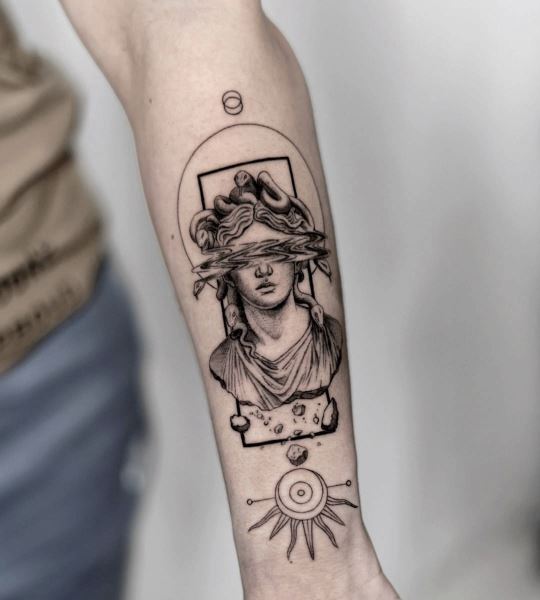
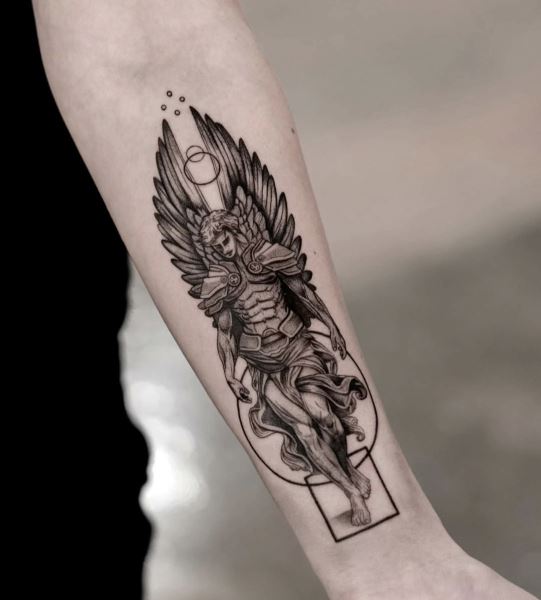
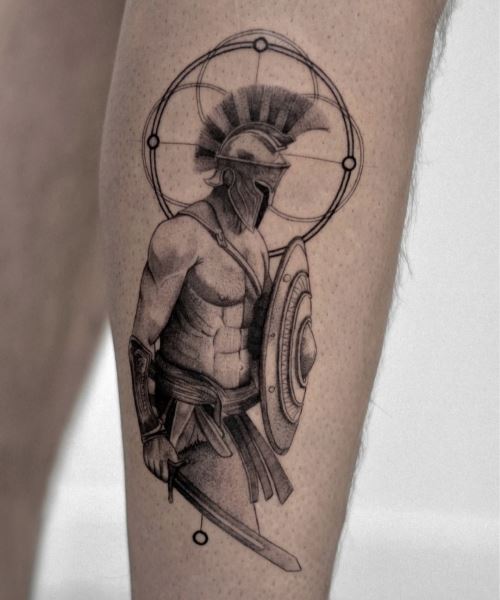
A: I define my signature style as a fusion of micro-realism and fine
line tattooing, guided by a strong design-oriented approach. In my
work, micro-realism reflects a high level of attention to fine
detail across different scales. I focus on translating complex ideas
into readable and well-structured compositions with strong visual
impact. My artistic foundation was developed in Turkey, where I
built strong skills in drawing, composition, and observational
detail. I am influenced by classical art and sculpture, shaping my
understanding of form, anatomy, and dimension, which I combine with
elements of modern art and geometric structure. Before refining my
style, I studied and practiced a wide range of tattooing techniques,
allowing me to be highly adaptive in my process. I have developed a
design-based approach that breaks down imagery into value, contrast,
and line weight, integrating multiple techniques in a controlled
way. This allows me to maintain clarity and detail across different
scales and contributes to a more structured and contemporary
interpretation of realism in tattooing.
Q: Your portfolio shows a high level of
precision; how have you pushed the boundaries of your style compared
to traditional methods?
A: I approach precision through a controlled and design-focused
process, refining how elements like detail, contrast, and line
weight interact within each composition. I treat each piece as a
constructed design rather than relying only on standard methods. I
have expanded the boundaries of my style by applying micro-level
detailing across different scales and combining multiple techniques
in an intentional way. This allows me to achieve a higher level of
precision and clarity while maintaining a cohesive and
well-structured result.
Q: What complex technical challenges do you solve in your
work that other artists in the field typically struggle with?
A: One of the main technical challenges I address is maintaining
clarity and structure while working with high levels of detail. As
detail increases, it becomes more difficult to control how elements
interact within a composition, so I focus on keeping the design
readable and balanced. Another challenge is adapting detailed
designs across different scales and placements on the body. Each
area requires a different approach in terms of composition and
execution, so I adjust my technique and design decisions
accordingly. This level of control allows me to create consistent
results while handling complex compositions that require both
precision and structure.
Q: In your Micro-Realism work, how do you
manage to maintain such high-contrast clarity without losing the
"soul" of the portrait?
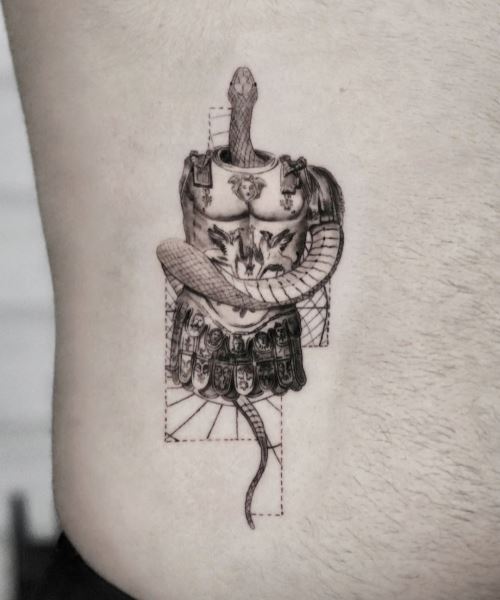
A: In my micro-realism work, I focus on balancing contrast with
subtle transitions so the image remains clear without becoming too
harsh. I carefully control where to place stronger contrast and
where to soften it, allowing key features to stand out while keeping
the overall composition natural. At the same time, preserving the
“soul” of the portrait comes from capturing expression and
character, not just technical accuracy. I pay close attention to
details like the eyes, flow of forms, and proportions, ensuring the
piece feels alive rather than overly processed.
Q: Can you describe the "artistic
philosophy" behind your compositions and how it has influenced other
artists or trends?
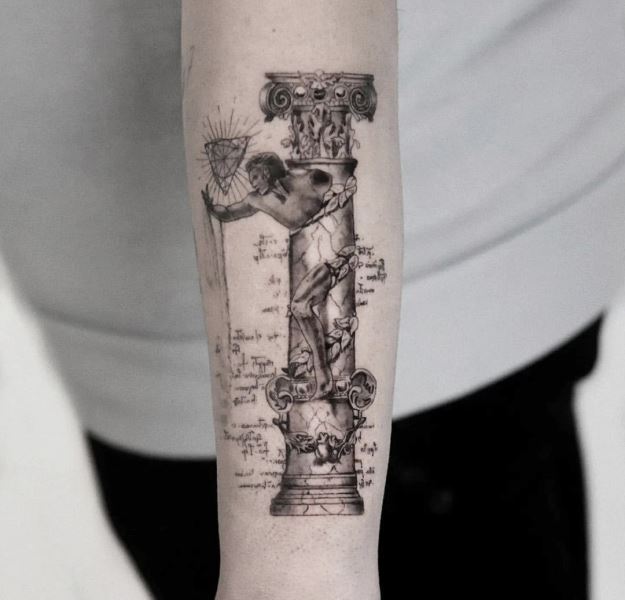
A: My artistic philosophy is based on treating each tattoo as a
structured composition, where clarity, balance, and intentional
design are prioritized over excess detail. I focus on simplifying
and organizing visual elements so that each part serves a clear
purpose within the overall design. This approach has influenced how
detailed tattooing is perceived, especially in combining precision
with simplicity. It reflects a shift toward more controlled,
composition-focused work, where structure and readability are valued
alongside technical execution.
Q: How do you balance the rigid rules of
design with the fluid, organic movement of the human body?
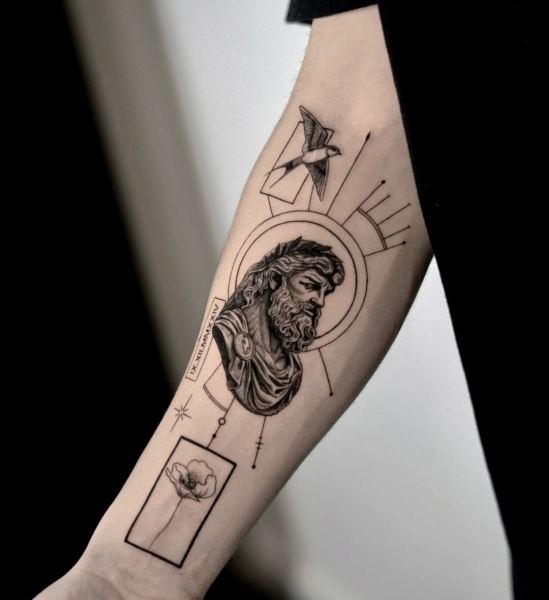
A: I balance structure and movement by treating the body as part of
the design rather than just a surface. While I follow principles
like composition, proportion, and flow, I adapt them to the natural
curves and direction of the body so the tattoo feels integrated
rather than placed on top. This requires adjusting placement,
spacing, and orientation to align with the body’s movement. By
combining structured design with this adaptability, I create
compositions that remain clear and intentional while still feeling
natural and dynamic.
Q: How do you incorporate
multi-disciplinary influences into your tattooing to create
something previously unseen?
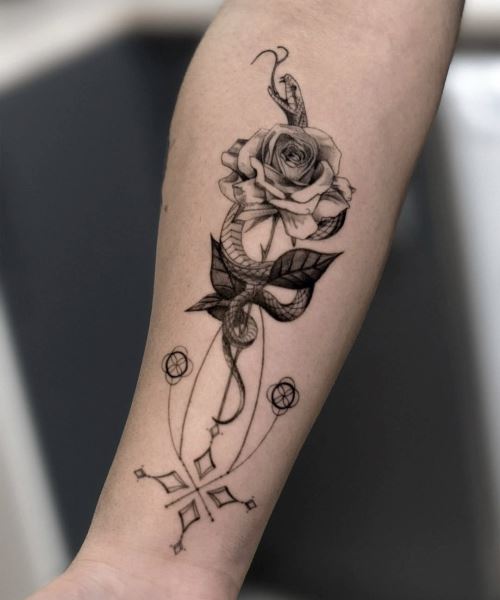
A: I incorporate multi-disciplinary influences by approaching
tattooing through a structured design process. Through continuous
observation and study of classical art and sculpture, I’ve developed
a strong understanding of form, anatomy, and dimension, which I
bring into my work. At the same time, I apply graphic design
principles such as composition, balance, and visual hierarchy to
organize these elements into clear and intentional designs. By
combining these influences with modern art and geometric structures,
I create compositions that merge realism with abstraction in a
constructed way. This allows me to reinterpret classical forms in a
contemporary context, creating work that feels both familiar and
distinctive. I translate these influences into a cohesive visual
language on the skin, resulting in designs that are both technically
precise and visually unique.
Q: Your work feels like a dialogue with
history. How did the layered architecture of Turkey influence your
specific visual language?
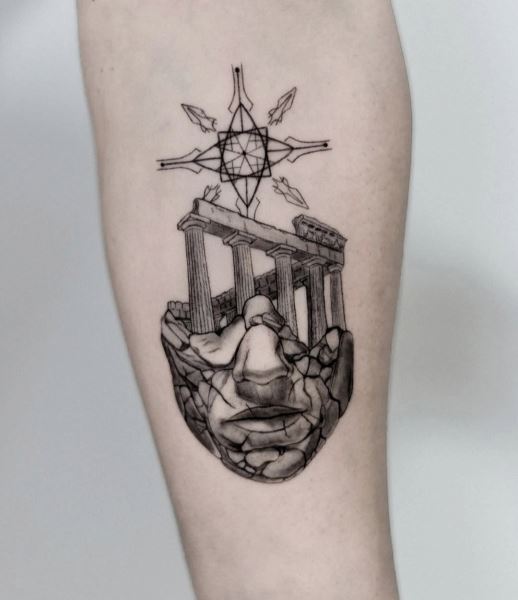
A: Growing up in Turkey, being surrounded by layers of history and
architecture naturally shaped how I see composition and structure.
The contrast between classical and modern elements, and how they
coexist, influenced the way I build my designs with both structure
and flexibility. This environment helped me develop a visual
language where different elements can exist together in a balanced
way. I carry that into my work by combining detailed, structured
forms with more fluid and minimal elements, creating compositions
that feel layered while still remaining clear and intentional.
Q: How did the competitive landscape of
the Turkish tattoo scene help you sharpen your technical precision?
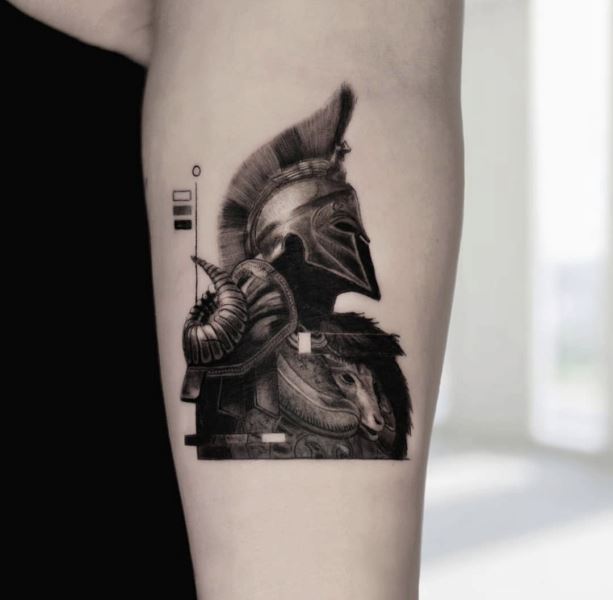
A: The tattoo scene in Turkey is highly competitive, with many
technically strong artists, which pushed me to constantly refine my
precision and consistency. Being in that environment required
discipline, attention to detail, and control in every aspect of my
work. At the same time, it encouraged me to study different
techniques and continuously analyze both my own work and others,
helping me develop a more controlled and refined technical approach.
Q: You’ve worked in major cities from
Istanbul to Europe. How do these experiences help you grow
artistically?
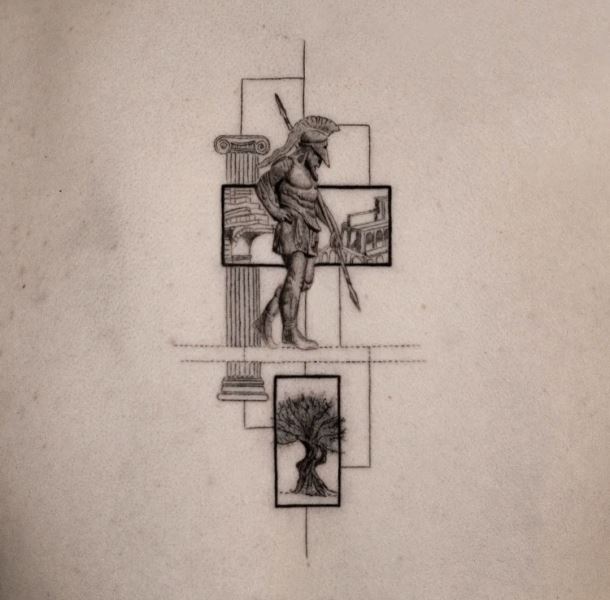
Working across different cities in Europe such as Amsterdam and
Berlin, along with my experience in Istanbul where I spent years
working in my private studio, exposed me to diverse artistic
perspectives, client expectations, and design preferences. Now in my
12th year, these environments have continuously pushed me to adapt
while maintaining my style, making me more intentional in my work
and expanding my reach to a broader international audience.It has
also expanded how I approach composition, detail, and concept,
helping me develop a more refined and versatile design perspective
while maintaining a consistent artistic identity.
Q: Your work attracts a global clientele;
what is the furthest a client has traveled specifically to be
tattooed by you?
A: During my career in Istanbul, I had clients travel from countries
such as Germany, the Netherlands, and the United States specifically
to be tattooed by me. This international interest makes me happy,
and I truly appreciate the trust people place in my work. It
motivates me to keep doing what I love.
Q: As a Turkish artist who has reached the global elite,
what is your message to designers who feel limited by their local
markets?
A: Coming from a local market doesn’t define your limits. What
matters is discipline, consistency, and how much you invest in
developing your own perspective. Even while working locally, you can
build a body of work that speaks globally. My advice is to focus on
your craft and your identity rather than your location. If your work
is strong and consistent, it will find its audience. Opportunities
grow from the quality of what you produce, not where you start.
Q: Looking back at the evolution of your
portfolio, how do you define the mark you want to leave on the
global history of tattooing?
A: Looking at the evolution of my work, I define the mark I leave as
contributing to a more design-driven understanding of tattooing. My
work demonstrates that precision, structure, and clarity can coexist
with artistic expression, and that realism can be approached through
intentional design. Through this approach, I refine how detail is
used within tattooing, creating work that is both controlled and
visually impactful. By combining strong design principles with
technical adaptability, my work contributes to a direction where
tattooing is seen not only as a craft, but as a disciplined and
evolving form of visual design, with growing recognition across an
international audience.
Date: 23 March 2026
Interview: Ivana Kancheska


