
Interview with Tommaso Dozzo
Hello Tommaso Dozzo! Thank you so
much for taking the time to do this interview. Can you take us back
to the very beginning? Do you remember the specific moment or piece
of art that made you realize tattooing was the path you wanted to
follow? Hello! Thank you very much for this opportunity. I
remember when I was a kid, I must have been about 6 or 7 years old,
and I saw a guy with a spiderweb tattoo on his elbow. I'm not sure
why, maybe the design itself placed in such an area, but the fact is
that I was very struck by it (haha). I was already into drawing,
especially realism, and at some point I realized tattooing was the
only medium that combined art, technique, pressure, and permanence
in a way that truly challenged me. The idea that drawing could live,
age, and move with someone hooked me completely.
Q: You work in various styles now, but when you started,
what was your initial creative direction? How long did it take
before you felt your personal 'voice' start to emerge from the
machine?
A: I have always tried to reproduce as best I can images,
photographs and references that I like. The goal was to be able to
do on skin what I liked to do on paper.
Q: Realism is notoriously unforgiving. Was there a specific
breakthrough, perhaps a certain portrait or texture that made you
realize you had the patience and technical skill for realism?
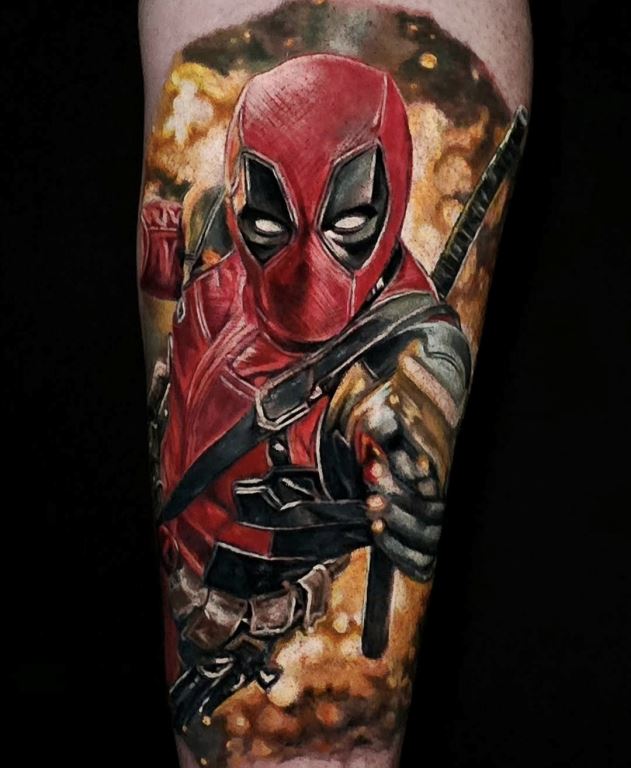
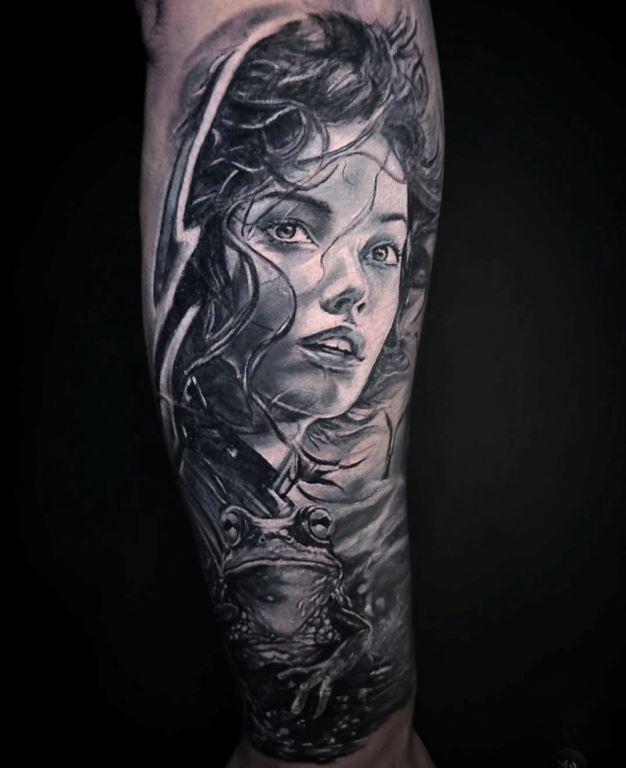
A: Yes. The first time I completed a realistic portrait where the
likeness held up both fresh and healed, I knew I had the patience
for it. Skin teaches you humility. Once I learned to slow down,
respect layering, and trust soft transitions over saturation,
realism started to make sense.
Q: You’re known for specializing in several styles. How do
you find that your work in other genres improves your realism
pieces?
A: Working in other styles sharpens problem-solving. Color theory,
illustrative composition, and even graphic tattooing all feed back
into realism. They train your eye to simplify where needed and
exaggerate where it counts. Realism doesn’t live in isolation, it
benefits from everything around it.
Q: Tattooing requires intense focus for long hours. What
does your headspace look like during an 8-hour session? Do you go
into a 'flow state,' or is it a constant, analytical internal
dialogue?
A: It’s a mix. The first part is analytical, planning values, depth,
and flow. Once everything is set, I enter a flow state where the
machine almost disappears. That’s when the best work happens. You’re
present, calm, and fully inside the process.
Q: You call yourself as a 'Cover-Up Specialist'. In your
early days, what was the hardest lesson you learned about the
physics of tattooing over old ink versus starting on a blank canvas?
A: Understanding that old ink doesn’t disappear, it competes.
Cover-ups are about physics: pigment density, skin trauma, and light
absorption. You can’t tattoo whatever over a mistake; you have to
design around it.
Q: What was the most challenging cover up tattoo you did?
A: Large, dark pieces with heavy black saturation and scarred skin
are always the hardest. Especially when the client wants specific
designs. That’s where experience really shows, knowing what’s
possible and being honest about limitations.
Q: When a client comes to you with a 'disaster' tattoo, what
is the first thing you look for?
A: Contrast and depth. I analyze how dark the darkest areas are and
how much untouched skin I have to work with. From there, everything
becomes a design strategy.
Q: Do you ever insist that a client gets a few sessions of
laser removal before you’ll touch a cover-up, or do you take pride
in being able to cover almost anything with pure technique?
A: I don't usually insist on this, but if the client would rather
have laser sessions than make major compromises with the design,
then yes.
Q: Realism often involves textures like fur, feathers, or
stone. Which textures do you find are the 'secret weapons' for
hiding old, stubborn black linework?
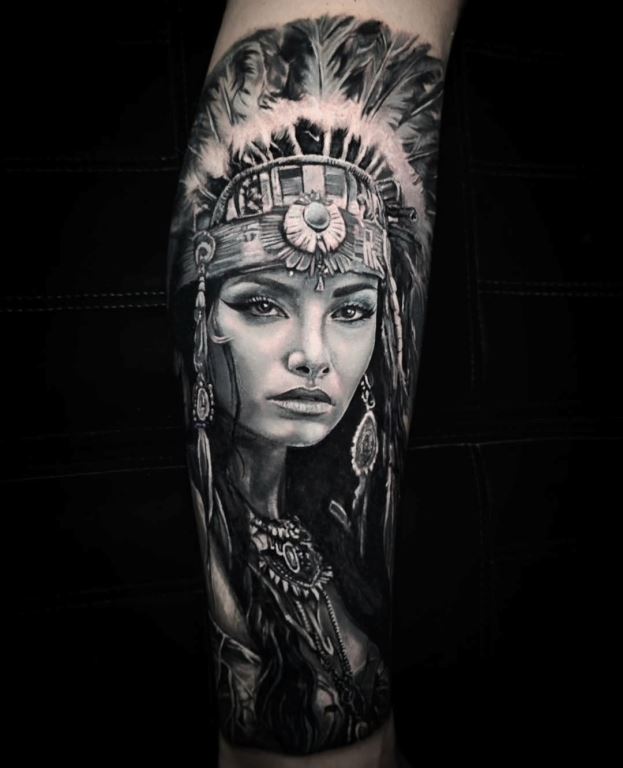
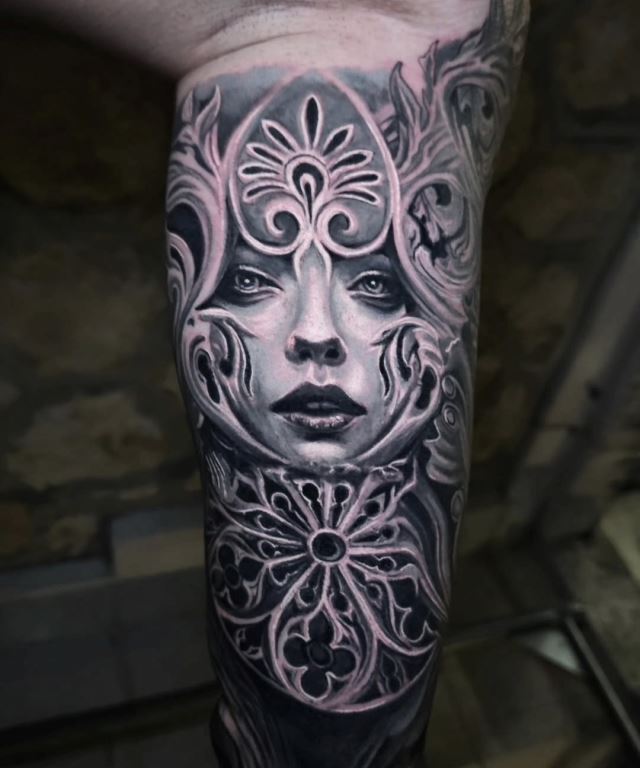
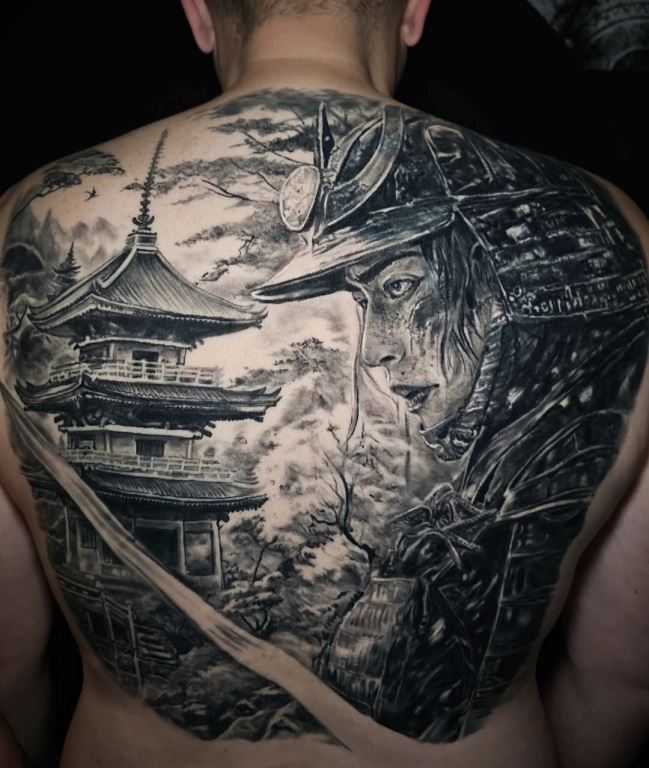
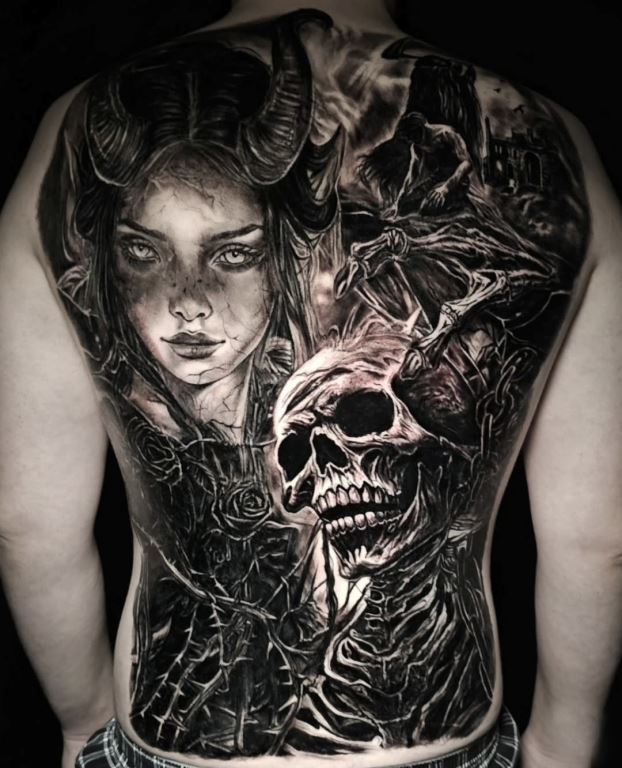
A: In my work, what I think works best are large areas of dark
zones, so large scale drawings that present fragmented textures such
as the porosity of a skull, a fuzzy or dirty face or various
imperfections that create a chaotic and confused texture, but at the
same time precise and clean.
Q: What is the most rewarding part of finishing a cover-up?
Is it the technical challenge you overcame, or the emotional relief
you see in the client who finally feels comfortable in their skin
again?
A: The client’s reaction. Technical satisfaction matters, but seeing
someone finally feel confident in their skin again is the real
reward. That moment never gets old.
Q: The tattoo industry is highly competitive and constantly
evolving. What does 'constant improvement' mean to you in your daily
practice?
A: Daily discipline. Studying healed work, refining technique,
drawing constantly, and never assuming you’re done learning. Comfort
is the enemy in this industry.
Q: Client satisfaction is key. How do you balance your
artistic vision with a client's request, especially when designing
something personal like a portrait tattoo?
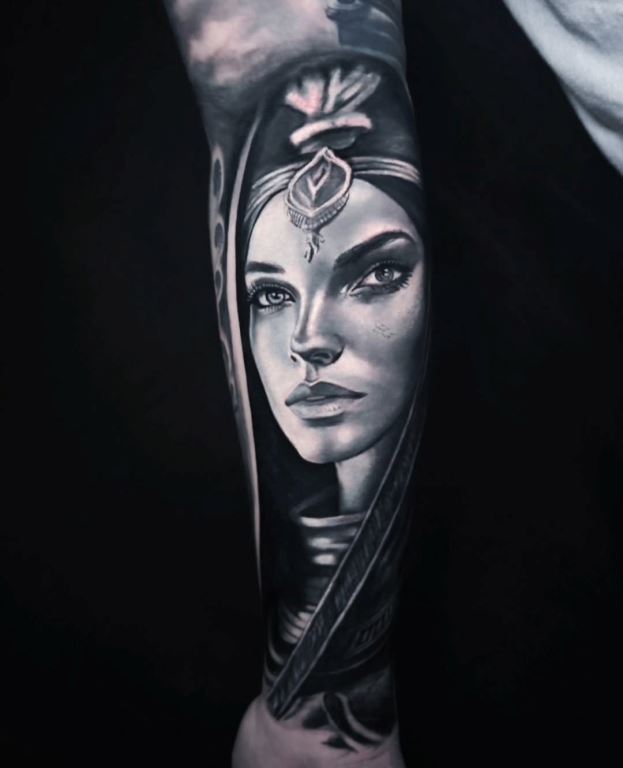
A: Communication. I guide clients toward what will age well while
respecting the emotional value of the subject. A successful portrait
isn’t just likeness, it’s longevity. It's also very important to me
to select the right references, which has the best possible light,
color theory and contrast as a basis
Q: Your Instagram features a dedicated highlight of "Healed"
tattoos. How do these healed photos help you manage the expectations
of potential clients regarding things like color retention, value
softening, and line diffusion over time?
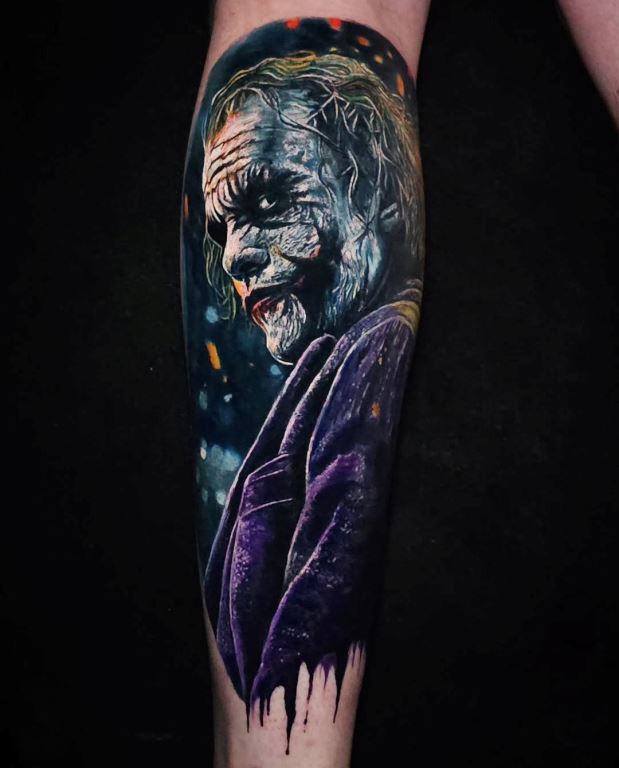
A: Healed photos are the most honest part of my portfolio. Fresh
tattoos can be misleading, everything looks sharper and more
saturated. Showing healed work helps clients understand how color
settles, how values soften, and how lines naturally diffuse over
time. It builds realistic expectations and, more importantly, trust.
Q: How do you emphasize the critical role of proper
aftercare in ensuring that the detail and contrast of your work
remain sharp and clear long after the session is over?
A: I treat aftercare as the final step of the tattoo. I explain why
certain instructions matter, not just what to do. When clients
understand that contrast and detail depend as much on healing as on
application, they take it seriously and the results show years
later.
Q: Many artists at your level eventually feel the itch to
see how other shops operate. Is traveling or working as a guest
artist something you currently prioritize, or do you prefer the
consistency of your home base?
A: Yes, very much so. I value having a solid home base, but guest
spots are essential for growth. Working in different studios pushes
you out of routine, exposes you to new workflows, and keeps your
mindset sharp.
Q: What makes a particular studio or city an attractive
destination for you?
A: The energy! A good studio has strong artistic identity,
professionalism, and mutual respect. Cities with an active tattoo
culture, curious clients, and high standards always attract me more
than size or hype.
Q: Beyond guest spots, do you enjoy the 'road life' of
tattoo conventions, or do you find the quiet environment of a
private studio more conducive to the focus realism requires?
A: Both serve different purposes. Conventions are intense but
inspiring, I’ve participated in few international conventions,
including Icon & Prodigies in Venice, where I had the chance to work
among the highest level artists. They’re great for visibility and
connection. For realism, though, the quiet focus of a private studio
is where I can work with more comfort.
Q: If someone wants to book a piece with you but doesn't
live in your city, how do you usually handle that? Do you wait for
them to come to you, or do you have a system for 'taking your show
on the road' to meet clients elsewhere?
A: I work with a structured booking system. Clients can contact me
directly, and I regularly open limited booking windows for guest
spots and travel dates. If someone can’t come to me, I often bring
my work to them through carefully planned guest sessions. If you
want to book with me, simply drop me a Direct message on my official
Instagram profile! It's the fastest and safest way to get
information to book an appointment.
Q: Where are you located now? How can we connect with you?
A: I’m currently based in Bologna, Italy. The best way to reach me
is via Instagram @tommydtattoos or by email tommydtattoos@gmail.com
for professional inquiries. All booking updates and travel dates are
shared through my social platforms.
Q: In the tattoo industry, being on a 'Pro Team' is like a
badge of elite status. How did your first sponsorship change the way
clients or convention organizers perceived you? Did you notice an
increase in trust from high-end clients once you were backed by
global brands?
A: Being backed by respected global brands definitely increases
trust, both from clients and organizers. It signals consistency,
professionalism, and technical reliability. That said, sponsorship
only opens the door, the work still has to speak for itself.
Q: Have you considered, or do you have any plans for, a
collaborative tattooing project with another artist? If so, what
kind of style synergy would you look for?
A: Absolutely. I’m very open to collaborations, especially with
artists who bring a different strength, whether that’s composition,
color, or illustrative flow. The best collaborations happen when
styles don’t clash but elevate each other.
Q: How do you perceive the current state of the global
tattoo scene? Are there any notable trends, emerging artists, or
innovative styles that you find particularly compelling?
A: The level is extremely high worldwide. Clients are more informed,
and artists are pushing realism, micro-detail, and color theory
further than ever. I’m especially interested in artists who focus on
longevity and healed results rather than just visual impact on day
one.
Q: The American tattoo scene offers a wide range of styles
and influences. Do you see any potential benefits or opportunities
for artistic growth in exploring that environment?
A: Definitely. The US scene is incredibly diverse, both technically
and culturally. Exposure to that environment can challenge your
habits and broaden your artistic language.
Q: Knowing the diversity of the US tattoo landscape, are
there any areas that particularly resonate with your artistic style
or that you feel would be a good fit for your work?
A: Cities with strong realism culture and openness to large,
detailed projects resonate most with me. Places where clients value
planning, multiple sessions, and long-term results are a natural fit
for my approach.
Q: What impact do you aspire to have on the tattoo
community?
A: I want to contribute to a culture that values patience,
education, and respect for the craft. If my work encourages artists
to slow down, study healed tattoos, and aim for longevity, that
impact is enough.
Q: If you could go back and give your younger self advice
about pursuing tattooing, what would it be?
A: Be patient. Don’t rush style, build foundations first. Learn to
say no, protect your body, and remember that consistency over years
matters more than fast recognition. I want to contribute to a
culture that values patience, education, and respect for the craft.
If my work encourages artists to slow down, study healed tattoos,
and aim for longevity, that’s impact enough.
Interview: Ivana Kancheska
Publishing Date: 26 December 2025


